Monday, July 22, 2013

OCC Creme Colour Concentrate Review and Swatches

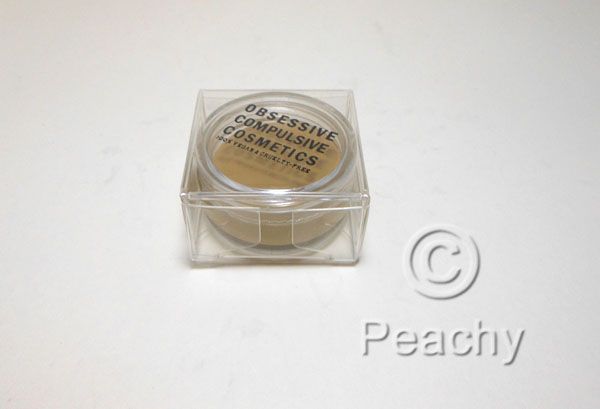
Obsessive Compulsive Cosmetics is a brand I've grown very fond of lately.  Their most well known product is, of course, their lip tars, which are mixable, opaque liquid lip colors that come in unique colors.  Now, OCC has an intense cream product that's suitable for use on eyes, lips, and cheeks.  I bought two of them, Cthulu, a pea green, and Terra Firma, an orangy brown, and fell so desperately in love, I purchased three more, Miriam, John Doe, and Grandma.
The texture of these products is similar to a dense, matte lipstick, and bear resemblance to the Illamasqua cream pigments.  One of the benefits of these is that they are safe for eyes and lips, and they don't crease as badly as the Illamasqua product when used on the eyes (and please note, I am very prone to creasing), though, being cream products, they are prone to creasing.  Topping with a powder shadow or a loose powder will ameliorate that problem.  On cheeks, they're slightly dry, but blendable.  They'd do best either blended onto an emollient base or tapped lightly.  On lips, they are a satin-matte finish, and are quite comfortable to wear. 
What I love most about these are the nuanced and unusual colors, something anyone who's used a Lip Tar has come to expect from OCC.
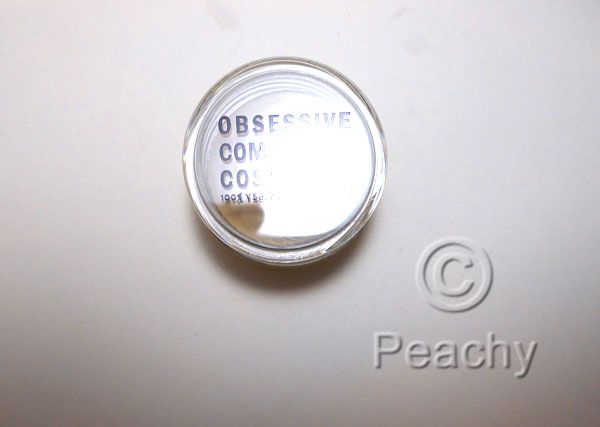
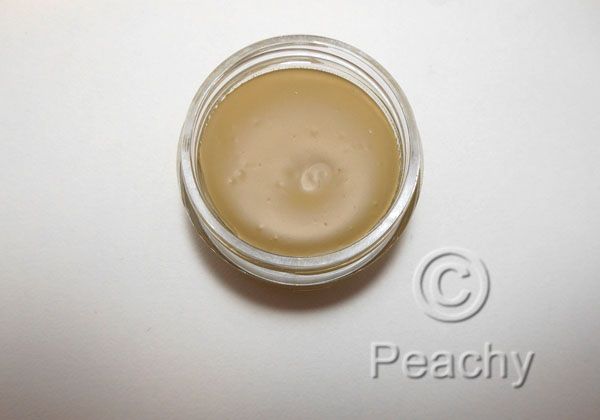
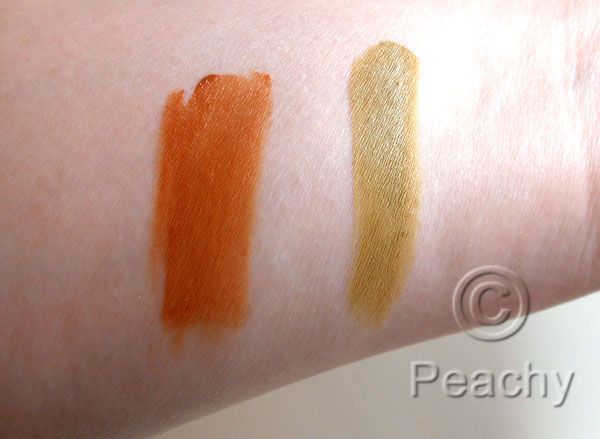
Cthulu is described as a dirty, pale olive.  It is a light pea green shade, with subtle gray and brown undertones.  It's reminiscent of a 70's avocado colored refrigerator, only lighter.
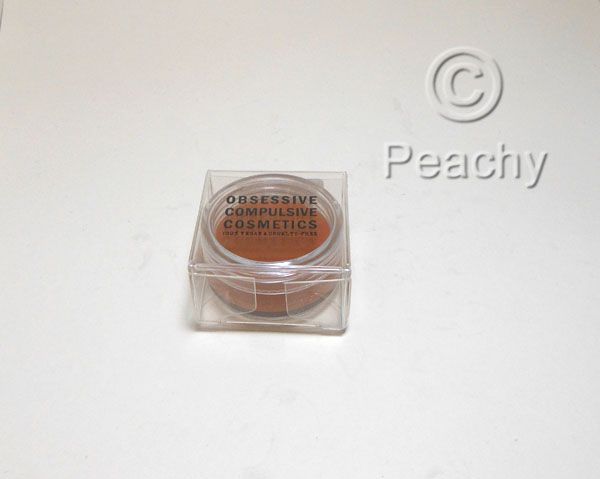
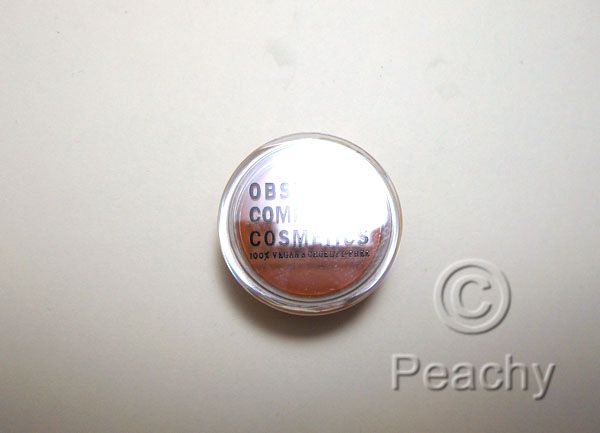
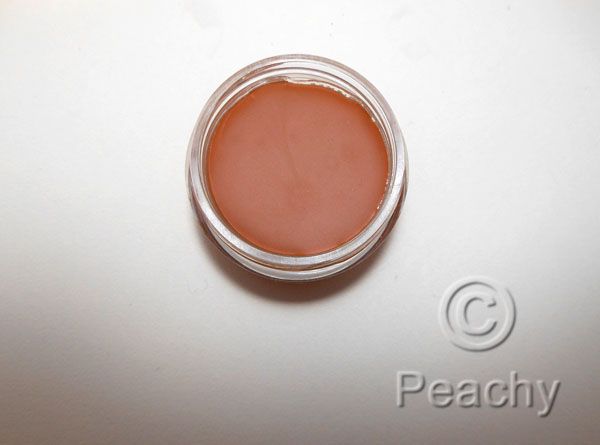
Terra Firma is described as burnt sienna brown.  It's a russet orange-brown shade that would work well on eyes, lips, cheeks, and, while an unusual color, I still think a lot of people would be comfortable wearing it.
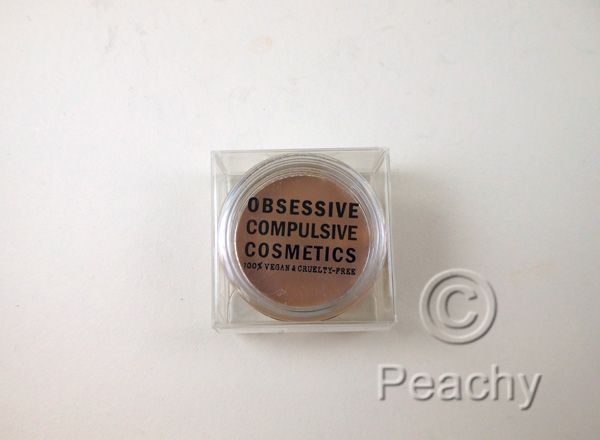
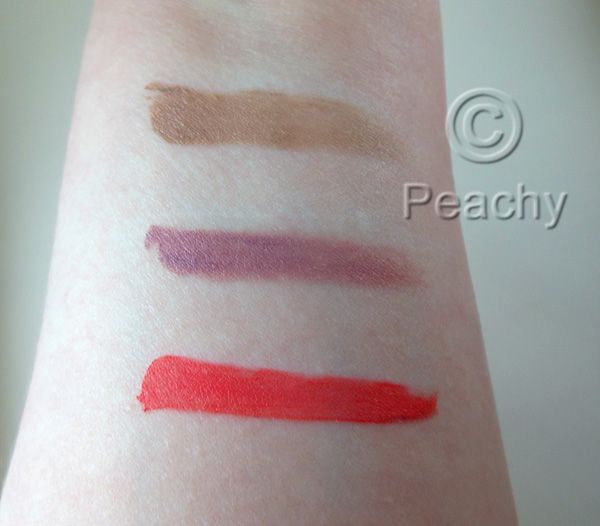
John Doe is described as pale, ash-toned taupe.  It's a very light beige-taupe with strong gray undertones and a hint of yellow.  It's very cool and light, and makes for an excellent cream contour problem on fair skins.  Compared to Illamasqua Hollow, it is cooler and very slightly lighter.
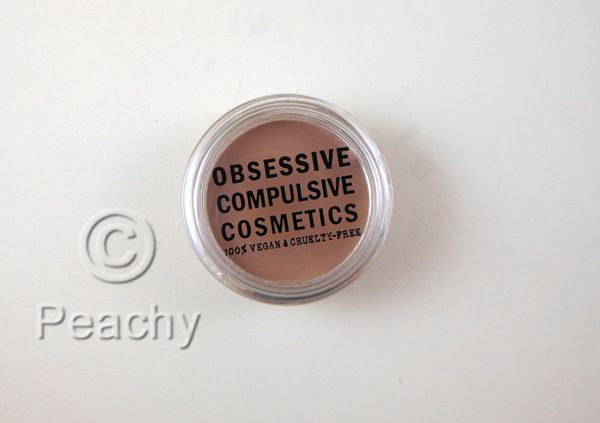
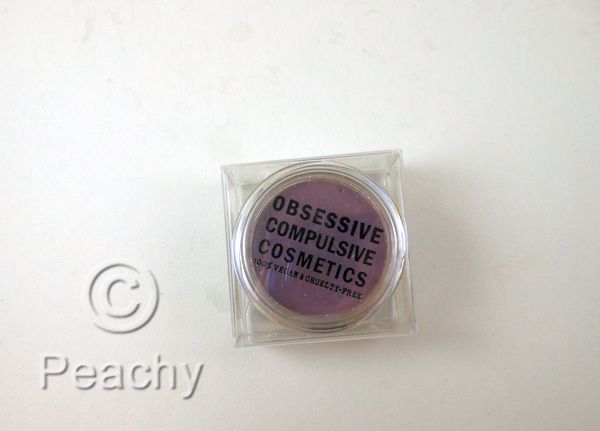
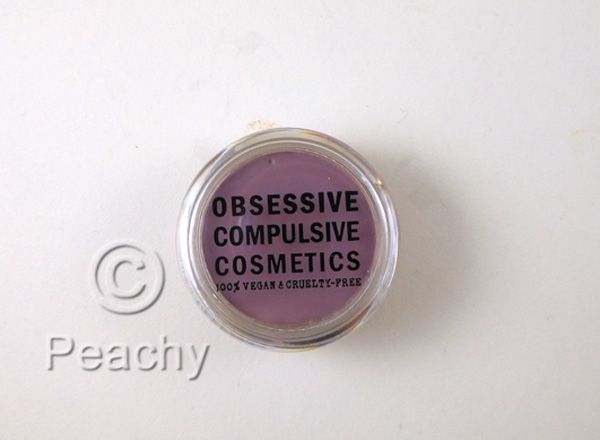
Miriam is described as a subdued, whitened plum.  It is a grayed light purple, leaning mauve, with a bit of pinky warmth.  It's an unusual, but not necessarily unflattering, lip and cheek color.
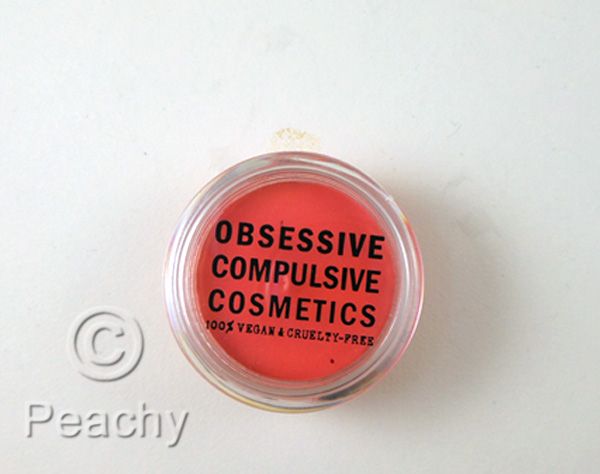
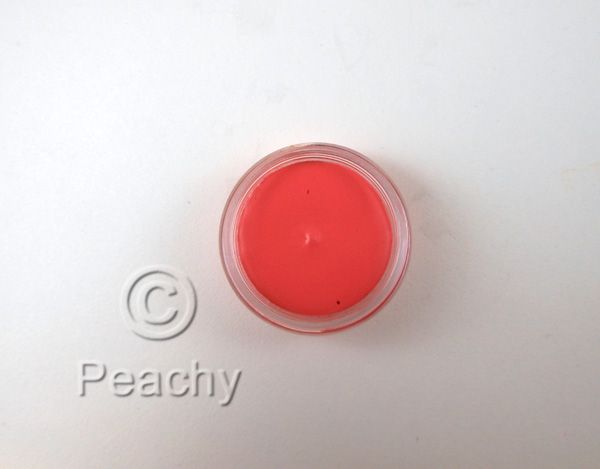
Grandma is described as a clean, classic coral.  It's very similar to the lip tar of the same name, and is a very bright coral with a good balance of bright pink and orange undertones.  To my eye, it leans slightly toward orange, though that would change depending on skin tone and natural lip color.
 
Cthulu
Terra Firma
Swatches of Terra Firma (l) and Cthulu (r)
John Doe
Miriam
Grandma
Swatches of (from top to bottom) John Doe, Miriam, and Grandma.  Grandma appears slightly redder than in real life.
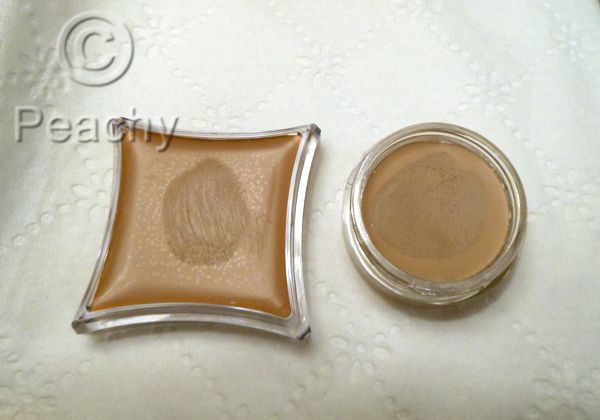
Comparison of Illamasqua Hollow Cream Pigment and John Doe
Swatches of John Doe (left) and Illamasqua Hollow (right).  Sorry I switched them.
As you can see, Hollow is warmer than the ashier John Doe.
 
OCC Creme Colour Concentrates can be purchased form Sephora online or from Obsessive Compulsive Cosmetics.  They retail for $20, which is what I paid for all these suckers.

Friday, April 19, 2013

A Guide to Brushes: Powder Brushes

Powder brushes really don't need much introduction, do they?  They're used to either apply powder or to remove excess (old school style!) 
 
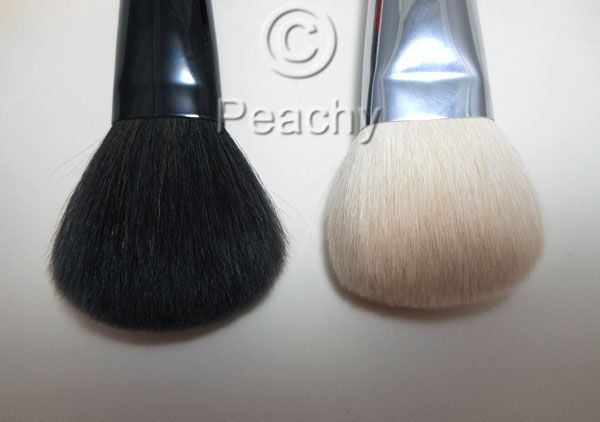
Large Powder Brushes
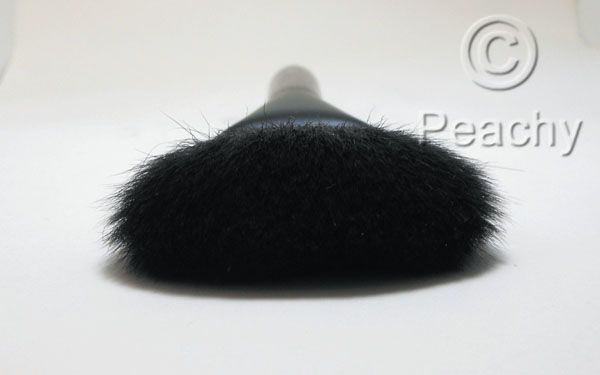
I probably should have put a smaller brush for comparison with these suckers because they are huge.  Pictured here are a Smashbox 1 and Cover FX Powder Foundation Buffing Brush 190, which is goat, and they are good for applying powder over the face, especially if you have a large face.  They're so big, they're best for applying powder as a first or second step; that is, if you are wearing powder foundation, or loose powder over your whole face on top of tinted moisturize, this is a good brush to do that with.  If you'd rather apply a controlled application of powder around already made up eyes and lips, or just to the T-zone, these are not the brushes for that.  In fact, they are so large, some people might find them better for use on the body, to apply shimmer powder on decolletage or shin bones and clavicle or to set a large tattoo cover.
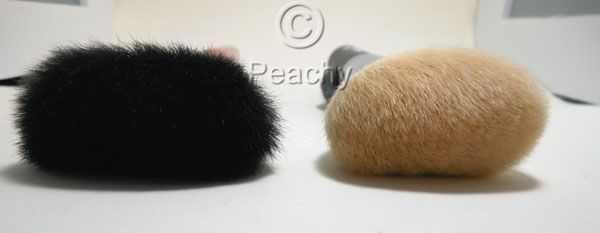
If you are a fan of vintage makeup or stage makeup, then you probably know that the "classic" use of a powder brush is not to apply powder but to remove it.  I always cringe when I see someone try to "set" makeup, like cream foundations, with a brush.  Even when pouncing it on the skin (something I have seen YouTube's Pixiwoo sisters do) doesn't seem to lock it onto the skin the way a puff does.  To set makeup, a puff should be dusted with powder then pressed into the skin.  Any excess powder is then dusted off with a brush.  Uh, yeah, this is the type of brush you want to use for that. 
 
Small Powder Brushes
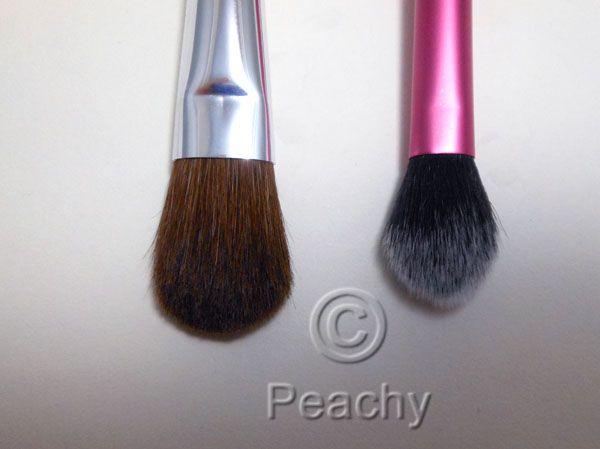
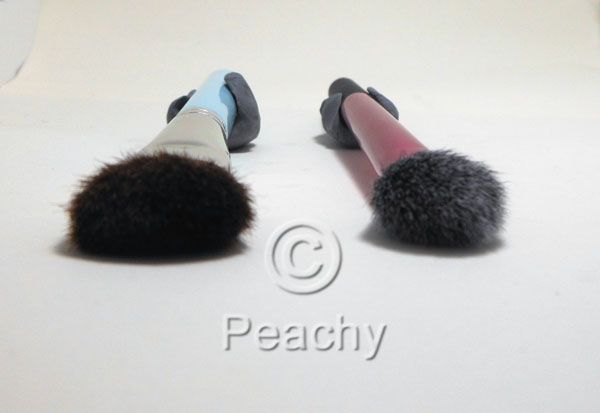
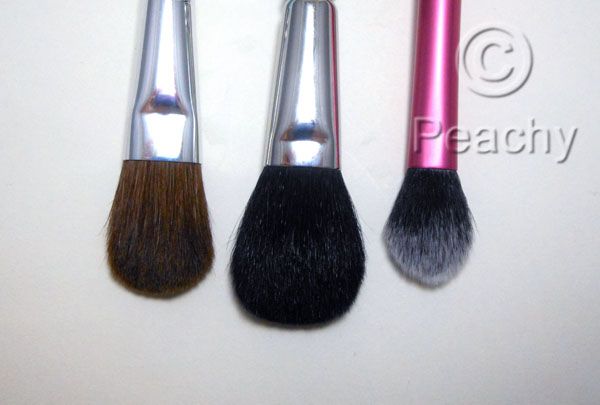
Do you remember how I said above that the large brushes were too large for concentrated powder application?  These brushes are what you want for that.  Small brushes like the Sue Devitt Powder Brush, pony hair, and the Real Techniques Setting Brush, synthetic, are great for going around lips, eyes, and nose, for applying powder to the T-zone.  If you apply powder as a last step, then you want a small brush.  They are also good for setting powder under the eyes, or applying powder to the eyelids.
Aside from powder application, these small brushes are good for applying highlighter to the cheekbones and blending it down the nose.  I also often use whatever powder brush I use on a given day to additionally blend my blush into my base.
Oh look!  I remembered a comparison photo for these babies!  This is a MAC 116 blush brush to show you how tiny these brushes are.
 
 Pointed Powder Brush
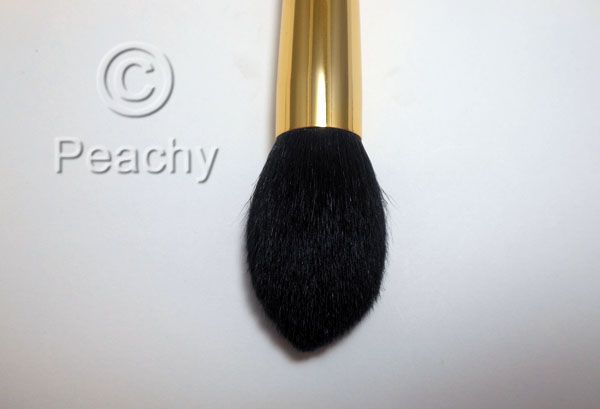
Another larger style brush, this Hakuhodo S103 goat hair brush works more like a smaller brush due to it's compact shape.  I have to admit to wanting to quote my idol, Lisa Eldridge, and call it directional like she would, but I'll refrain.  It's good for applying powder in small areas and around features, but can also apply a layer over the whole face.
The pointed powder brush is also amazing for applying brush to all parts of the cheek, and is superb for applying contour under the cheekbones, around the jaw, down the neck, around the clavicle.  In fact, I love it for contour so much that I probably should have put it under that heading.  It's also an awesome powder brush, though, and is the brush I'd most suggest if you came here looking for one brush to apply all powder face products.
 
Flat Topped Powder Brush
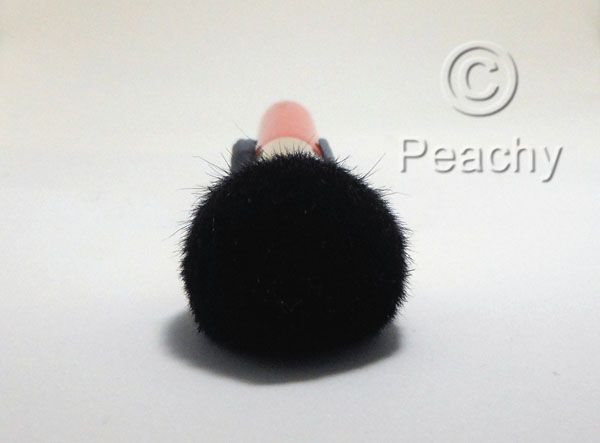
This brush, a Hakuhodo G527 goat hair brush, is a cousin to the flat topped foundation brush, and is, in its essence, a buffer.  It's great for buffing in powder foundation, which is what I usually use it for.  It's also a great blender for getting blush, powder, highlighter, and foundation seamless.  I know some people would use it to buff powder onto the whole face.  I don't do that.  Just talking about it makes me squeamish.  I'll buff in foundation, powder foundation, blush, even, but I'm very protective of my foundation and especially my concealer, once they are applied.  See my vent on setting makeup above.  Perhaps it's my oily, naturally shiny skin that makes me so anti-buffing when it comes to powder.  Nearly everything will move on my skin, so once I apply foundation and concealer, I want to set it and then not mess with it.  I have enough problems covering the red spots blemishes leave on my chin than to risk removing my concealer with buffing.
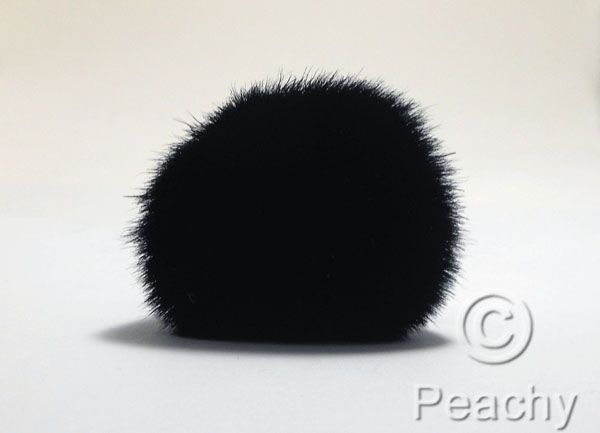
Now that I've dealt with one pet peeve about this sort of brush, it's time to deal with the real question you're asking is: Can you use it for liquid foundation?  I never have.  I usually use synthetic brushes for foundation, with the occasional white goat hair detour, so I would never use a dense natural hair brush for liquid foundaton simply because I wouldn't want to subject such a brush to the cleaning I give my foundation brushes.  I can't even imagine how much cleaning liquid foundation out of this thing would be!  Also, I prefer rounded edges on my buffing brushes, since faces are more round than flat.  I'm making this brush very complicated.  It's a good powder buffing brush, end of story.
 
Kabuki Brush
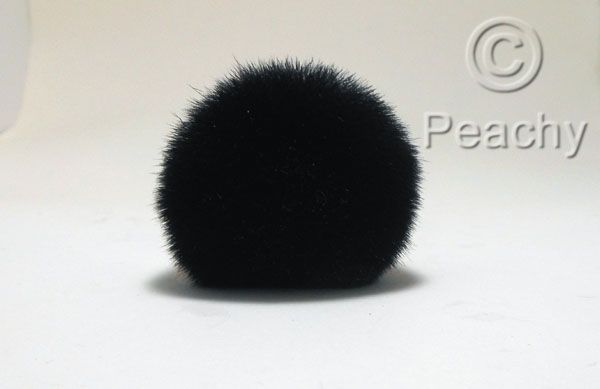
Another buffer, this synthetic Make Up For Ever kabuki brush, is used to buff powder.  I will not bore you again with my diatribe on buffing powder over foundation.  This brush is good for finishing, blending everything together, buffing on powder foundation.
This one came in a set with the HD Microfinish powder, and I still don't know why.  I have brushes I like better to apply powder foundation with, so this one just sits in a drawer.
 
Flat Kabuki Brush
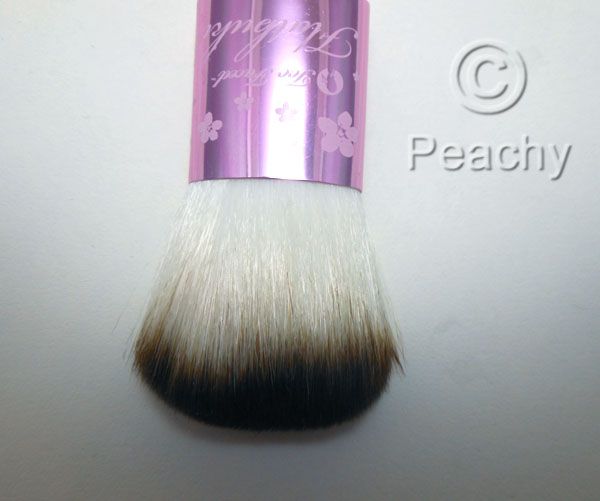
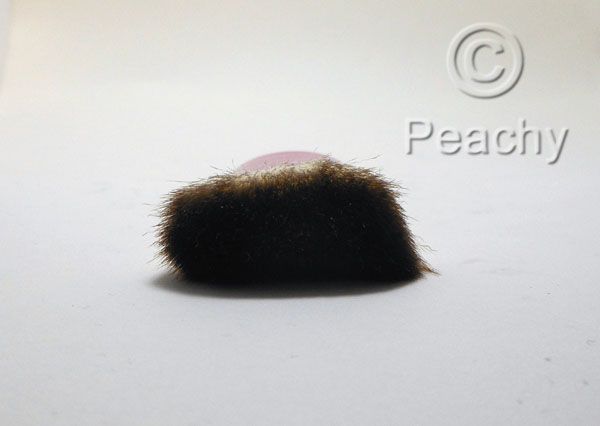
This is a flattened kabuki brush, and is a cute little mini from Too Faced, called a Flat-buki.  It's good for flicking powder off the face after applying too much.  Really, it's just a cute tiny brush.  Good for travel.
 
Finishing Brush
This Hakuhodo Finishing Brush L, made of blue squirrel and synthetic hair, is pure luxury.  It isn't a necessity.  It's also not something to save on; it's a splurge, no doubt.  It's also akin to rubbing a bunch of kittens over your face.  Not that I've done that.  But I imagine it would feel good unless claws got involved.
This brush is used for brushing over the face as a last step, softening edges without moving anything around (which is good, remember?).  It can also apply a finishing powder, like Guerlain's Meteorites. 
 
Fan Brushes
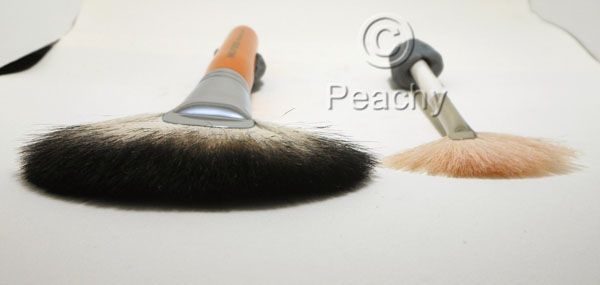
Fan brushes like the Make Up For Ever powder fan brush and Benefit fan brush (goat), are good for brushing away eyeshadow fallout.  They are also good for contour and highlight.  The smaller fan brush is especially good for highlighter and softening super-pigmented blushes. 
They are also excellent for removing powder after it's been applied.  Look, at this point, we all know that powder brushes apply powder--do I really need to say it again?
 
Pros and Cons
Pros:  Unless you want to try applying powder with your hands (don't laugh, it can be done), you'll probably need a powder brush.  Even if you favor a puff, a brush will remove the excess and leave only a fine layer.  A large powder brush will dust powder over the whole face quickly, while smaller powder brushes apply it to one small area at a time.  If you want a powder brush that does everything from all over powder application to cheekbone contour, I'd suggest the pointed powder brush.  Finishing and Fan brushes finish the face and provide a delicate finish.  Flat top and kabuki brushes are great for applying powder foundation, including mineral foundations.
Cons:  As brushes go, the price point of all of these is higher than average, due to their larger size.  Furthermore, uncut ends, recommended for use with all powder products, but especially when you are using it over the skin, will make the price go up.  I will say this one more time: if your makeup needs to be set with powder because it doesn't set on its own, for example a cream (not cream-to-powder) foundation or blush (basically, if your grandmother might have worn the product back in the day) or a liquid foundation that doesn't dry down, a brush is not the powder utencil to use. 
 
The brushes featured in this post are: Smashbox 1 Powder Brush, Cover FX Powder Foundation Buffing Brush 190, Sue Devitt Powder Brush, Real Techniques Setting Brush, (MAC 116 Blush Brush), Hakuhodo S103 Powder-Blush Brush Pointed, Hakuhodo G527 Powder Brush D, Make Up For Ever HD Kabuki Brush, Too Faced Flatbuki, Hakuhodo Kokutan Finishing Brush L, Make Up For Ever Powder Fan Brush, Benefit Fan Brush (discontinued).  All were purchased and I received no compensation for featuring them.

Tuesday, January 22, 2013

A Guide to Brushes: Concealer Brushes

Concealer Brushes are used to apply concealer.  I'm making this real difficult, I know.  This post features brushes for applying undereye concealer, blemish concealer, concealing redness around the nose, or anything else you might want to hide. 
 
Medium Concealer Brushes
The most classic of concealer brush, the medium concealer brush, here a Paula Dorf Camouflage brush, Sephora Classic Concealer, and Sephora Platinum concealer, resembles a flat eye shader brush, but is usually synthetic, as these three are.  Good for basic concealing on blemishes, under the eye, or around the nose.  I think they work best for redness or under the eyes, as I prefer a more precision brush for blemishes.  I like these best with cream concealers, as I prefer smaller brushes with harder concealers (like Laura Mercier Secret Camouflage) or liquid concealers (like Make Up For Ever Full Cover), but they are nice to blend after those are applied. 
 
The medium concealer brush is also useful as an eyeshadow brush (no surprise, since it so resembles an flat shader).  They're nice for applying cream eyeshadow (which reminds me I'd like to do a post on cream eyeshadow....), and can be really useful for applying those pressed loose powder products like Armani Eyes to Kill Intense and L'Oreal Infallible, since they're usually stiffer than natural bristle brushes.
 
Large Concealer Brushes
 
The large concealer brush is a larger version of the medium; these are Hourglass Large Concealer and Cover FX concealer brush both synthetic.  They work well for applying foundation as concealer, such as a cream or stick foundation.  They are also good for applying concealer over redness around the nose or on the cheeks, highlighting cheekbones or that triangle highlight everyone associates with Kim Kardashian even though Kevyn Aucoin was doing it on celebrities and models 20 years ago.  I also use them often for blending blemish concealer over my chin, if I'm using a more emollient concealer, like Kevyn Aucoin Sensual Skin Enhancer.
 
Small Concealer Brushes
The smallest of the flat synthetic concealer brushes, these are by Japonesque and Real Techniques.  These are good for applying concealer to blemishes, especially the big swollen kind.  They also make great lip brushes, which is probably what I use them for most.  They can also be used for detail work with cream eyeshadows.
 
Fluffy Concealer Brushes
These are a Real Techniques Deluxe crease brush (also featured in the blending brush breakdown), and a Sephora Platinum Airbrush Concealer brush.  A lot of people also use eye shadow blending brushes, like oval blending brushes (MAC 217 and its dupes) or round crease brushes (MAC 224 et al.) similarly.  These are good for applying concealer under the eyes, and blending concealer over large areas of blemishes.  I like to use these with creamy or liquidy concealers, and I find them completely useless with hard concealers (like LM SC, mentioned previously).  They are great for blending, all formulations, though, and I like to use the Sephora like a mini buffing brush to apply something like KA SSE as a spot foundation. 
I think these are really useful brushes, as they're like tiny foundation buffing brushes, so I think they're easier to use and require less skill to apply and blend concealer. 
 
Long Concealer Brush
This Bobbi Brown Concealer brush (synthetic), is meant for applying undereye concealer, and I tend to use it exactly how Bobbi Brown intended (with her creamy concealer/corrector).  It's longer and thinner than the flat concealer brushes, and I can't imagine it being good for blemishes, though I am quite fond of it for creamy undereye concealer.  It doesn't blend well, though, so it requires the use of a fluffier brush or fingers to blend the edges.
 
Pinpoint Concealer Brush
The pinpoint concealer brush, this one by Kevyn Aucoin, is a must for precision blemish concealing.  I should say, this sort of shape is essential, but you may notice it's resemblence to gel liner brushes.  In fact, you may notice Lisa Eldridge, the queen of pinpoint concealing, using liner brushes to do so.  I'll include liner brushes in this idea, so don't think you need to buy this brush (I do have to make a massive recommendation for this brush though; it is truly phenomenal.  It really glides over the skin, as it's very dense and just the perfect stiffness.  I have honestly not used another brush to conceal zits since I purchased it).  
The tiny little point you see in this photo really allows the tiniest amount of product in exactly the place you need it, which is why this type of brush is so amazing for pimple coverage.  It works with all styles of concealer, and is especially good for really pigmented concealers, be they waxy or emollient.  It can deposit such precise amounts and placement, blending is barely necessary, though, especially if your concealer is not a perfect match, you may need to scribble a bit around the edges, and use a blending brush.  I often just press or pat the product into the skin with my fingers to blend, though.
 
Point Concealer Brush
Another great brush for concealing blemishes, it's wider and longer than the pinpoint concealer brush, but still tapers to a thin point.  This Laura Mercier Secret Camouflage brush is intended for use with her Secret Camouflage, and it really does work best with hard concealers like that. 
 
 
Pointed Concealer Brush
This is the concealer half of the Stila One Step Complexion Brush, this is a less fluffy version of the fluffy concealer brush.  It's good for under the eyes, around the contours of the nose, and for blending concealer on blemishes.  The tapered point allows more control, but less blending than the fluffier brushes. 
 
 
Square Concealer Brushes
This is an old Urban Decay Concealer Brush from an early brush line and a NYX small concealer brush.  The narrower square brush is good for spot concealer on blemishes, and the wider one is good for a dense application in a small area.  Not an essential brush, though the Urban Decay brush was one of my very first brushes over a decade ago and I still sometimes use it to stipple concealer on a zit, especially one that has dried out a bit (nicer to say that than "crusty and gross"), though it has been long discontinued.
 
Pros and Cons
Pros:     You can apply concealer with fingers, but it's still one of the first non-powder brushes you'll want.  A concealer brush provides more accuracy, better blending, and less wasted product, than using fingers.  Do you need every one of these styles?  Unless you're obsessed like I am, no.  The most useful of these are the pinpoint, point, and fluffy concealer brushes, and with either tiny brush and the bigger fluffy one, you'd be able to conceal anything, whether it's a blemish, undereye circles, or redness, and they'll work with pretty much any formula concealer you use (though with drier consistencies, the fluffy concealer brush would be just a blending brush).
Cons:     This is one of those situations where the most classic brush is one of the least useful.  Though the classic brushes are still useful, for under the eyes or blending, it's not likely to be essential.  In fact, they're probably better as a laydown brush for cream or loose powder than for concealer. 
 
The brushes featured in this post are:  Paula Dorf Camouflage Brush (from Travel Set), I think this may be discontinued, as I think the "Total Camouflage" brush currently on the website seems bigger, Sephora Classic Concealer 46, Sephora Platinum Concealer Brush 45 (The entire Platinum line was discontinued and replaced with the Pro line, this one appears to have changed shape in the switchover), Cover FX Concealer Brush, Hourglass No. 8 Large Concealer Brush,  Japonesque Concealer Brush from Touch Up Tube, Real Techniques Detail Brush (from Core Collection), Real Techniques Deluxe Crease Brush (from Starter Set), Sephora Platinum Airbrush Concealer 57 (This is carried over into Pro line), Bobbi Brown Concealer Brush, Kevyn Aucoin Concealer Brush, Laura Mercier Secret Camouflage Brush, Stila One Step Complexion Brush 33, Urban Decay Concealer Brush, long, long ago discontinued, NYX small concealer brush.  All were purchased and I received no compensation for featuring them.
 

Monday, December 3, 2012

A Guide to Brushes: Stippling/Duo-Fibre Brushes

Stippling/Duo-Fibre Brushes
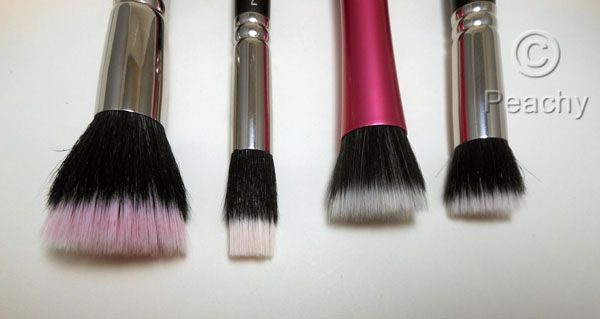
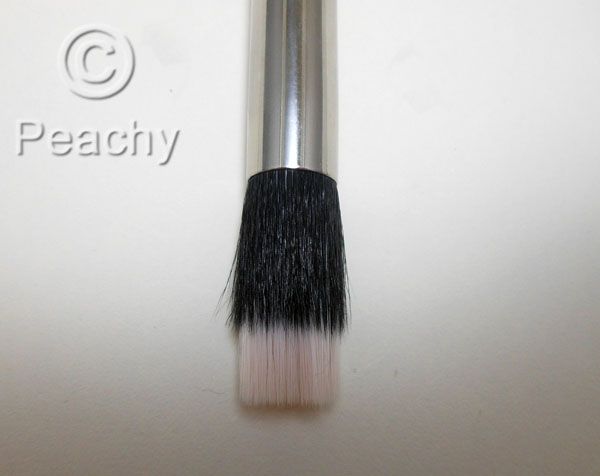
Duo-Fibre brushes are a mixture of two types of fibre, usually goat and synthetic, though two types of synthetic can also be mixed, like in the case of the Real Techniques Stippling Brush.  This mix of fibres allows for the bounce and resiliency of natural fibres with the softness of synthetic.  This mixture makes them good for stippling, as the bounce the goat gives heft to what would otherwise be a synthetic brush (which sometimes has the tendency to splay and flop).  Therefore, they are popular for foundations but are also good for cream and powder blushes, mineral products, bronzer, and anywhere you'd like to make a pigmented product go on more softly.  Because of the similarity of these brushes, I'm mostly going to talk about size differences (flashbacks to the very first brush post on flat-shader brushes....).
 
Large Duo-Fibre Brush
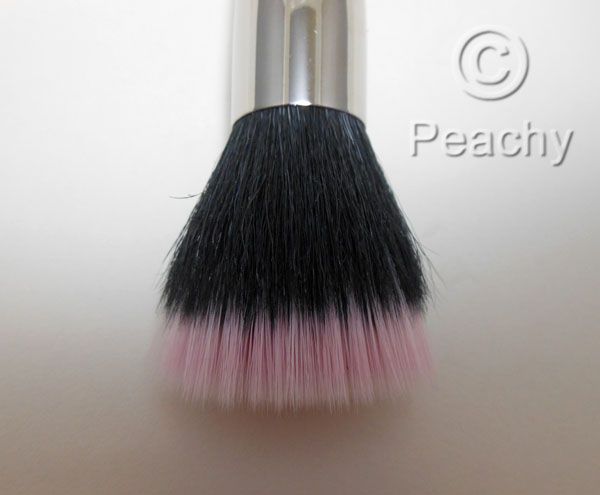
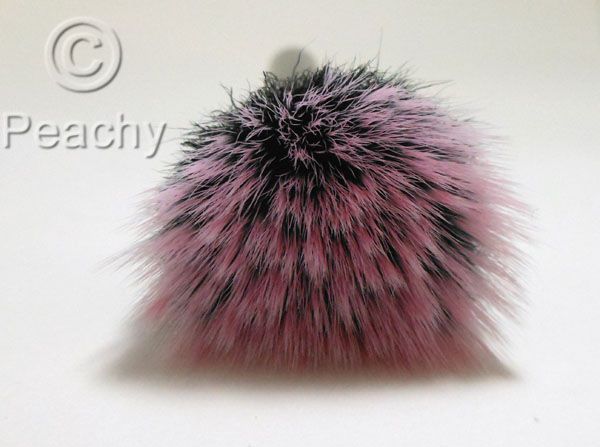
Here we have MAC's 187 brush.  I apologize that it is stained pink, but it won't come clean no matter how many times I use cleansing oil on it.  At least the staining indicates for what I use this brush most, which is blush.  It's great for a large blush application of a very dense blush.  I think this staining might be Illamasqua Panic.  It's also a popular one for foundation, though I don't quite get the stippling of foundation.  As I am theatre trained, for me, stippling is used to add natural veining effects, or to tone down shading, or add more red tones to old age makeup, places where the goal is to retain or create a texture, exactly the opposite of what you want in your foundation.  Then again, though I've heard of people claiming to stipple their foundation with these things, I've only seen people use these to buff, which in my opinion is better done with a denser brush. 
With powder or cream color cosmetics the stippling can create a translucent blush effect, so these brushes are great for that. They also work well for a very light dusting of bronzer or contour. They are often marketed with mineralized makeup, like MAC's Mineralized Skin Finishes, since those type of products can deposit too much product on denser brushes.  The large duo-fibre brush creates a diffused application over a large area.
 
Medium Stippling Brush 
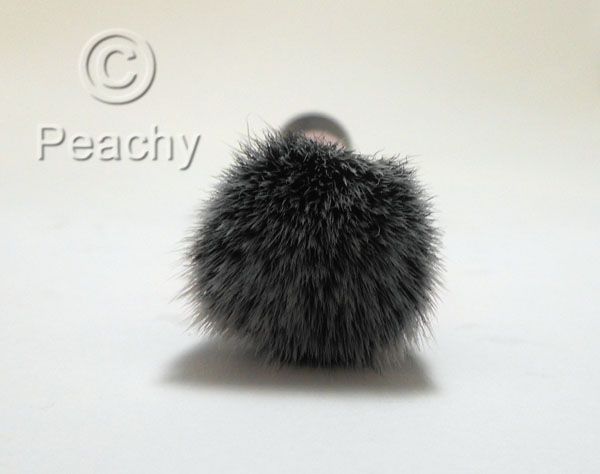
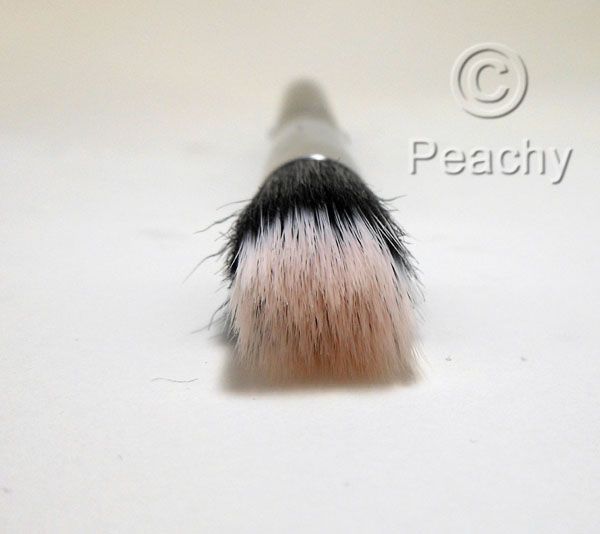
The Real Techniques Stippling Brush is much denser than the 187, it also has a shorter distance between the black fibres and the white fibres, both of which are synthetic.  This makes it work more like a flat top buffing brush than a stippling brush.  This works very well for foundation, as well as cream blush application, but, unless you want a very dense application, I wouldn't use it for powder blush.
 
 Small Stippling Brush
 
This brush, MAC 188, is a thinner version of the 187 above.  It has a farther distance between the two types of hair than the RT brush, so it is a bit floppier as well as thinner.  A lot of people also use this brush for liquid foundation.  I prefer it for blush, and often apply with this and blend out with the 187 for a bit more control than the 187 offers.  It's also great for highlighting cheekbones.
 
Short Stippling Brush
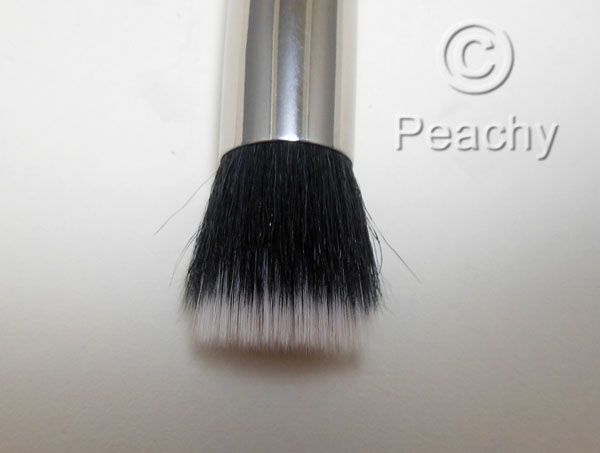
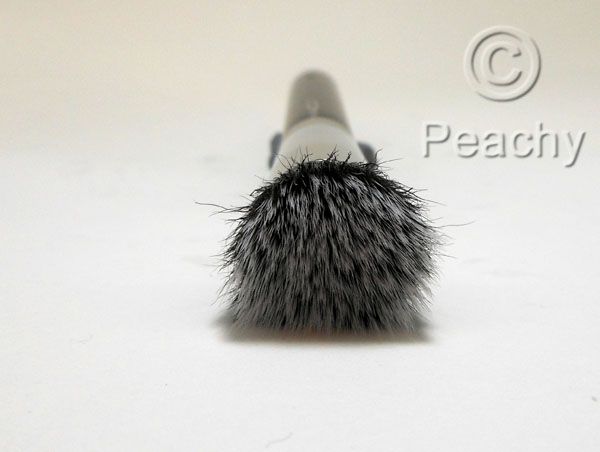
The MAC 130 is probably my favorite of all of these stippling brushes.  It's wider than the 188, but very short and denser.  It has fewer hairs I'd say than the RT, but since they are shorter, they are a bit stiffer nonetheless.  I imagine it would be great for cream foundation, as MAC often markets it for, and I absolutely love it with cream and liquid/gel blushes.  If I'm wearing a cream blush or a MUFE HD blush, I've likely applied it with this one.

 
Pros and Cons
Pros:     These brushes are versatile and useful.  The less dense, longer white bristled brushes are great for applying powder products sheerly, while the denser, shorter brushes are great for liquid and cream foundations and cream blushes.
Cons:     I don't think the aforementioned less dense brushes are good for liquid foundations.  The largest can be unwieldy to use for blush, unless you have a larger face or like blush over a large area--like I do. 
 
The Brushes featured in this post are the MAC 187 Duo Fibre Brush, Real Techniques Stippling Brush, MAC 188 Small Duo Fibre Face Brush, MAC 130 Short Duo Fibre Brush.  All were purchased by me and I am not compensated for featuring them.
Saturday, October 13, 2012

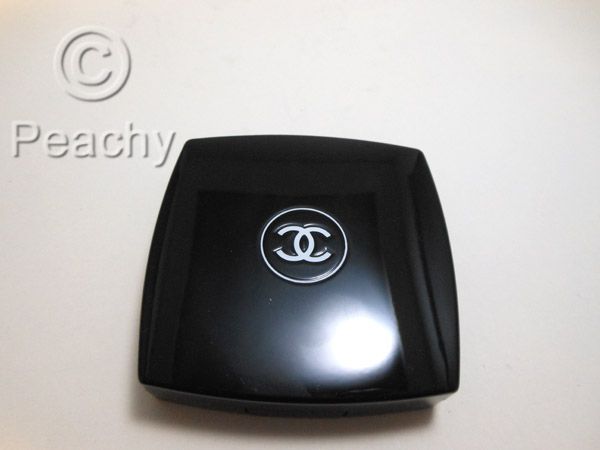
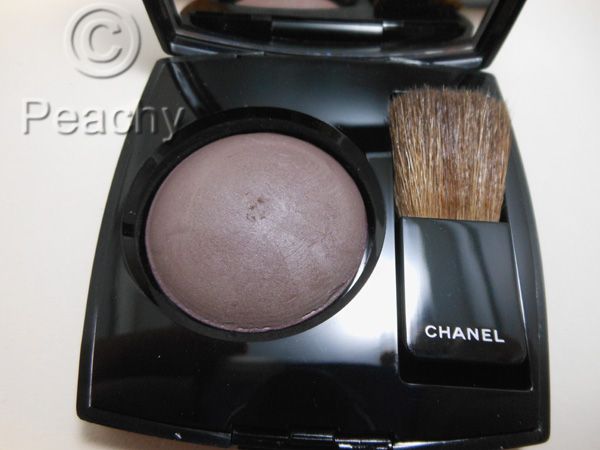
Chanel Notorious Ombre Constraste Sculpting Veil for Eyes and Cheeks

 
Contouring often offers a few problems. Do it wrong and you may end up with orangy-brown stripes along your face. To make it worse, so-called experts often suggest bronzer, as if a product designed to add a sun-kissed glow to skin (not to mention they often have shimmer) would also be the same shade to create natural and flattering shadows. Leave it to Chanel to create one of the few contouring products that leans so cool it's actually a lavender-gray.
It looks like it should be an eyeshadow--and it can be--but aren't we all much more fascinated by its use on the cheeks.  The texture is super powdery.  Just touching my brush, a Hakuhodo large pointed yachiyo, kicked up a bunch of product.  It clung well to the brush, though, and even after dabbing the majority of it onto the back of my hand, I had more than enough product left.  I do suggest applying and blending with a clean brush, reapplying, blending more to gently build up the color, especially on fairer skins.
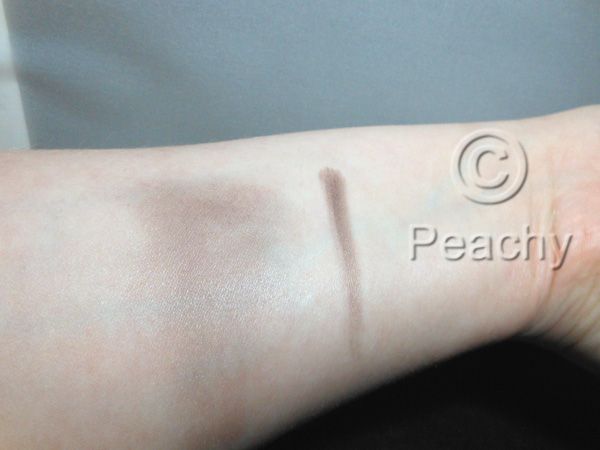
The heavier swatch almost looks purple on my inner arm here, but you can see it blends out to a very natural shadow color.  I think if you find yourself frustrated by the shades of contour available, this might be your answer.  It may look in these pictures that there's shimmer to it, but there's not really.  There's a satiny sheen to it, very skinlike in my opinion.
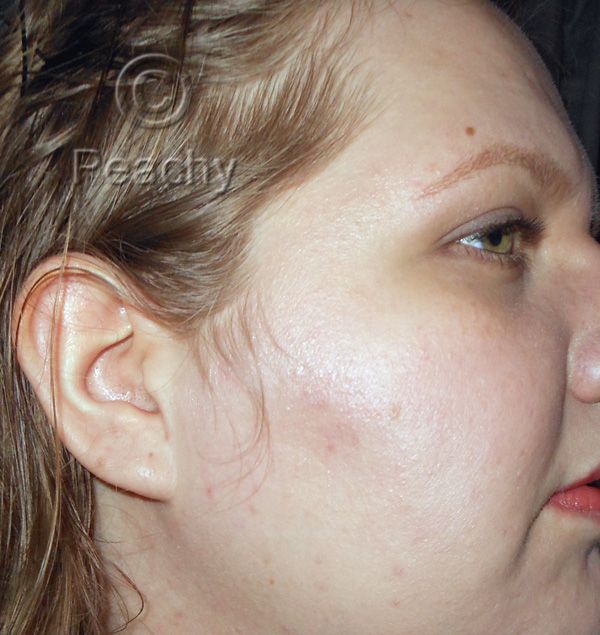
An incredibly unflattering angle for a cheek swatch--a bit washed out from the flash, too, so I apologize.   
And my full face picture.  I meant to apply an extra coat of concealer under the eyes before I took this picture.  Just look at those bags!  The result of a nasty little head cold, lots of stress, and nowhere near enough sleep.  I used Chanel Notorious as contour under my cheekbones, around my nose, and in my creases and under my eyes.
Face:  Kevin Aucoin Sensual Skin Enhancer SX5, Sephora Microsmooth Powder Light 05 Porcelain.  Make Up For Ever Velvet Finish Compact Powder in 24 in the T-zone.  Tarte Amazonian Clay Long-Wear Blush in Dollface on the cheeks. Chanel Notorious.
Eyes:  Chanel Notorious in the creases and under the eyes, MAC Painterly Paint Pot on the lids, and
Ultraflesh Black Magic Matte wet/dry powder liner on the upper lash line, smudged quite a bit.  Benefit Bad Gal Lash mascara on top and bottom.  Make Up For Ever Aqua Brow in 10.
Lips:  Guerlain Rouge Automatique in 160 Bal de Mai.