Showing posts with label Paula Dorf. Show all posts

Friday, August 16, 2013

A Guide to Brushes: Contour Brushes

This post, which could be considered "Blush Brushes: part 2" is about brushes intended for contour and angled blush brushes whether or not they're intended (by manufacturer) for contour.
 
Angled Blush Brush
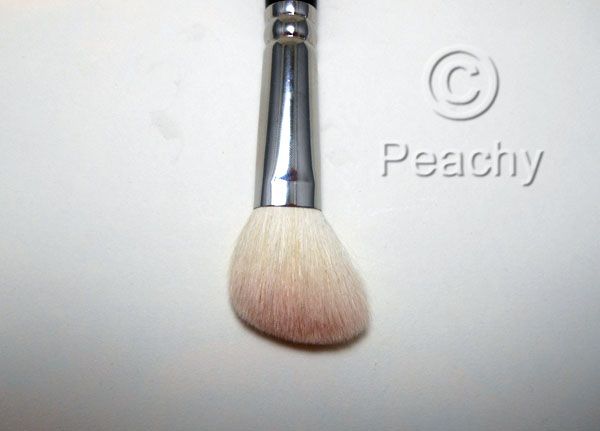
This MAC 168, which is white goat, is both a blush brush and a contour brush.  Now, I don't favor this sort of brush for cheekbone contour, as I prefer more exactness from my contour brushes.  It makes for a good blush brush though, especially if you want to apply blush to the cheekbones.  It's also good for facial contouring: around the perimeter of the face, to decrease the width of the face, under the chin, or temples.  The white goat of this particular brush is usable for powders, creams, and liquids.  It's okay, then, but not great, for cream blush or contour, and it's great for liquid foundation.
Sorry, there's no "cross-section" photo for this brush.
 
Fluffy Angled Blush Brush
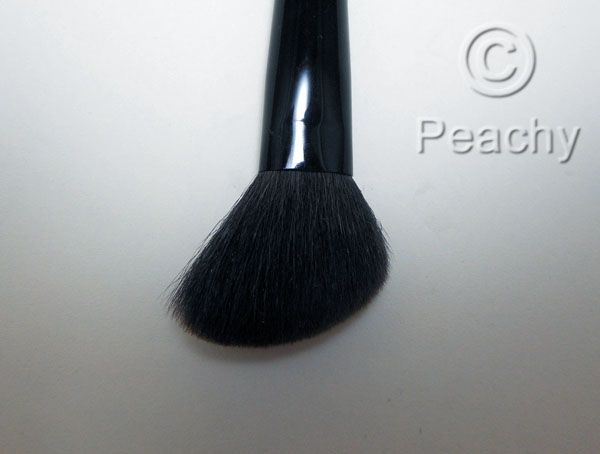
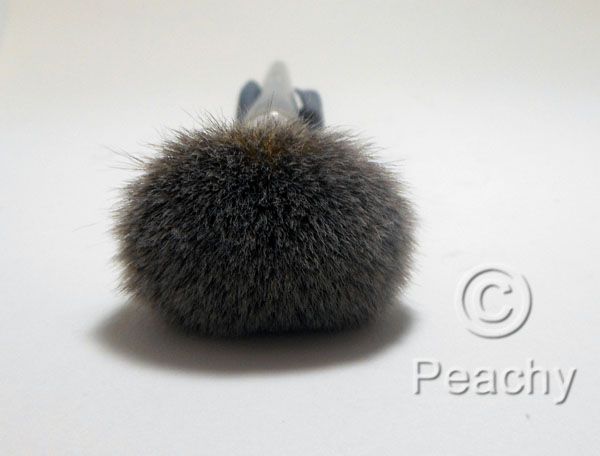
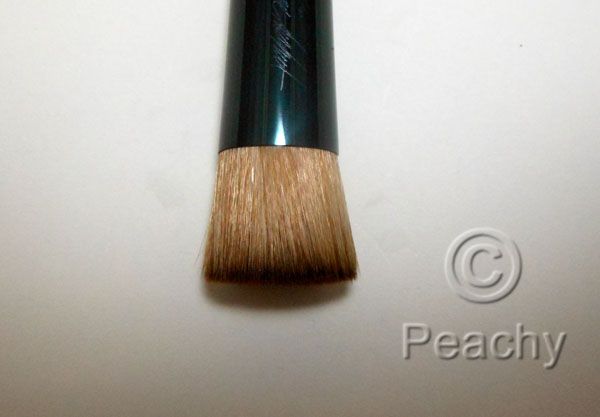
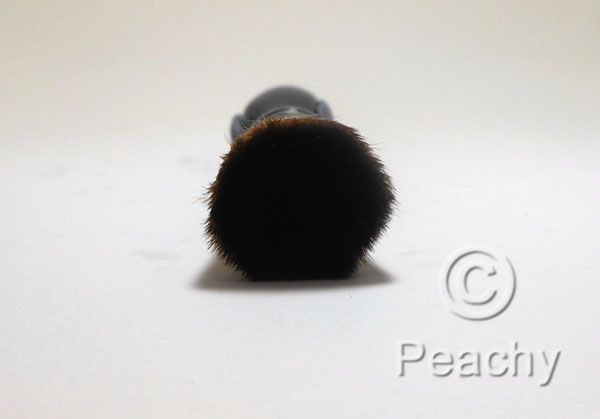
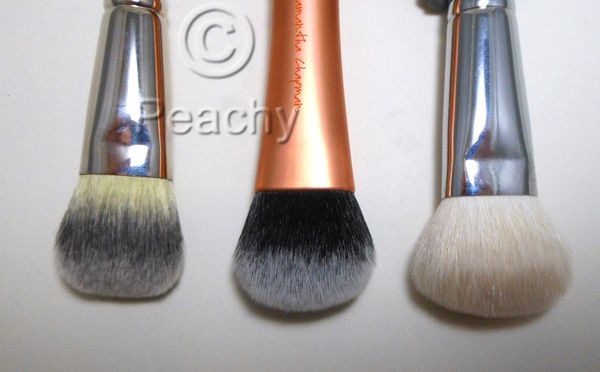
This brush, the Paula Dorf Cheek brush is a fluffier, softer version of the angled brush above.  It's intent is to fit over the apple of the cheek, and it's good for that.  It's a bit fluffy for placing contour, but it makes for a good blending brush.  It's good for applying blush (or contour) to a wide area, so appropriate for larger faces, or when you want a big, child-just-in-from-the-cold, blush.
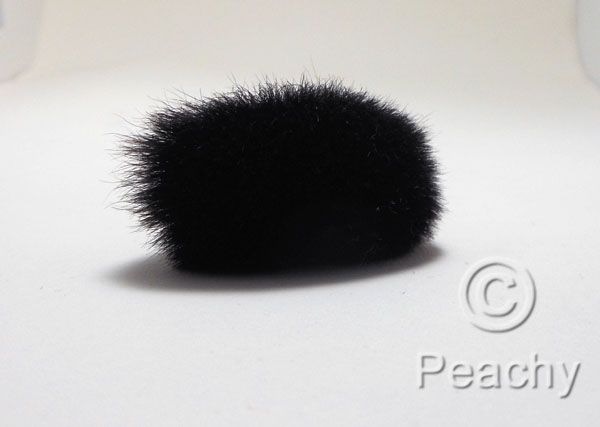
 
See how fluffy the hairs are, and how much space between them?  This means not too much pigment will be desposited on the cheek, but it will be in a wide area.  If that's what you want, this is a good style for that.  I have come to prefer smaller blush and contour brushes, so this style has fallen out of use with me.
 
Angled Synthetic Cream Blush Brush
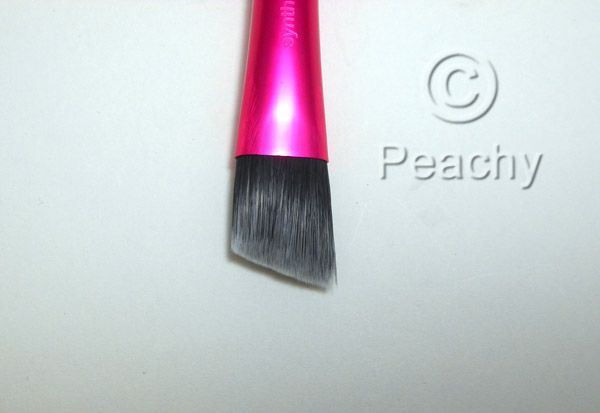
This Sephora I.T. Cream Blush brush is tight, synthetic, and very flat.  It's good for placing cream or liquid blush and contour.  It's not great for blending them, unless you're looking for a very controlled blend by fanning out the color.  This is a technique often used in stage makeup aging techniques to create a shadow with one soft, blended side and a hard line, for instance, in creating naso-labial folds.  You could use this technique to create a very strong, stylized contour.  You draw a line of product, then place a flat brush on the line, as if you were drawing the line again and pull away the color to one side.  Then this fanned out area is blended traditionally.
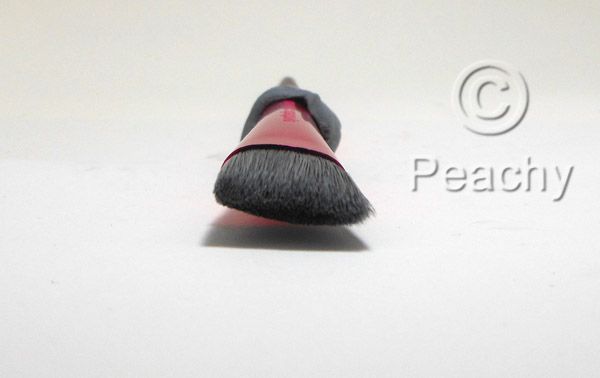
This brush type is good for cream blush, great for contour, and isn't a bad liquid or cream foundation brush.  While I don't believe it's good for true blending of cheek products (other than the technique described above, which, let's admit, is a pretty specialized technique), it is good for a final blending and working together of already applied and blended cream or liquid products.
 
Round Contour Brush
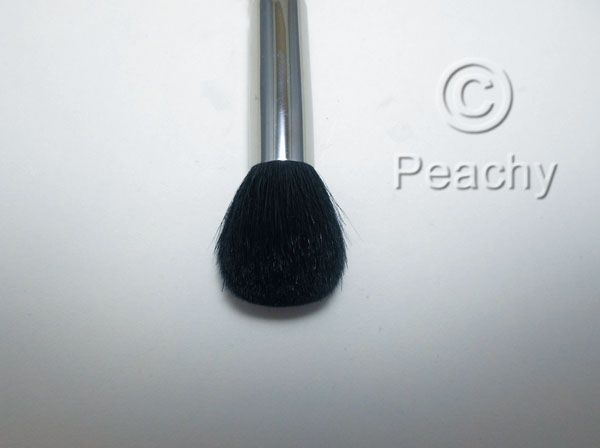
I think this brush, here a MAC 109 of goat hair, is what most people picture when I say "contour brush."  It bears a close resemblance to foundation buffing brushes, a use for which this particular brush gained a cult following.  It also gained a notoriety for shedding.  It's good for pretty bold, though not necessarily distinct, cheek contour and is good for under the jaw contouring and around the perimeter of the face. 
This brush is also good for the doll cheeked, so-called "pop of color" on the apples look.  Can we please all agree to ban the word "pop" from the beauty vocabulary?  How about "concentrated placement of a bright color?"  "Emphasis through color?"  Or the simple and straightforward "accent?"  Do you know what I think of when I hear "pop," especially the Yahoo! Answers-esque "How do I make my eyes pop?"  From the time I was a little girl to my early twenties, my family and I went on a yearly vacation to a small inn on the Northern Californian coast where there was a big party in the mountains.  Freshly caught abalone, tons of wine (not for the kids, of course), fish stew, the cold waters of the Pacific Ocean, the stunning cliffs, the redwoods--the party sucked for this kid, but the scenery was the stuff of magic and mystery.  Well, as the abalone divers aged out over the decades, the younger generation took to the water, often bringing along their diving friends (as the legal limit for each diver is very small, the more divers, the more weird, tough, slimy shellfish for breading and frying).  Well, one year when I was a teenager, one of those friends had ever-so-slightly more than normal bulging eyes at the party.  When prompted, he explained that he had not properly pressurized his mask while diving, and his eyes literally popped out of his head while underwater, and that they hadn't quite normalized yet.  (I must put the caveat that I have no idea if this story is true, or even plausible, but it left quite the impression on me, nonetheless) So, uh, yeah...no more popping eyes, okay?  Or blush.  But that thing we're agreeing to not say anymore?--this brush is good for that.
 
Pointed Contour Brush
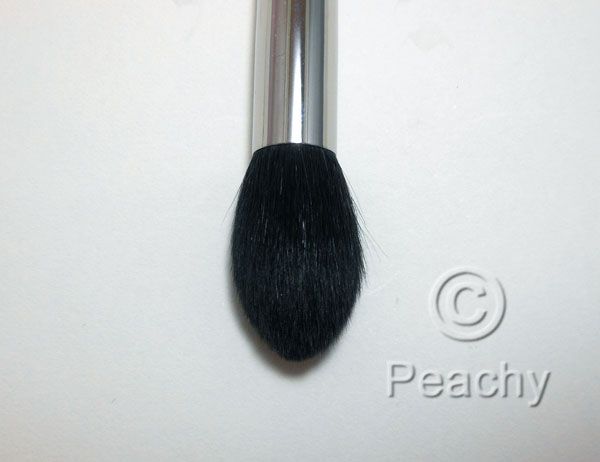
This pointed brush, a Hakuhodo G5521BkSl, blue squirrel and goat, is great for cheekbone contouring and all facial contouring.  If the brush is small enough (this is), it could also be used for nose contouring and blending of nose contouring.  The pointed tip allows for very careful placement of contour, which results in the ability to carefully sculpt the face.  This is one of my favorite shapes for contouring.  It's equally good for highlighting all parts of the face.
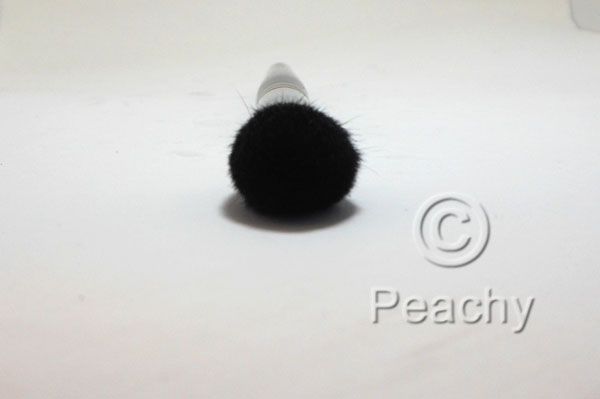
This brush isn't a great blush brush, however.  It applies blush in too concentrated an area even for me.  If you want an all around brush for both blush and contour, this isn't likely to be it.  However, if you want a great contour brush, this might be the shape for you.  The larger of this style, featured in my powder brush post http://bepeachy.blogspot.com/2013/04/a-guide-to-brushes-powder-brushes.html, is another good, one.
 
 Soft Pointed Brush
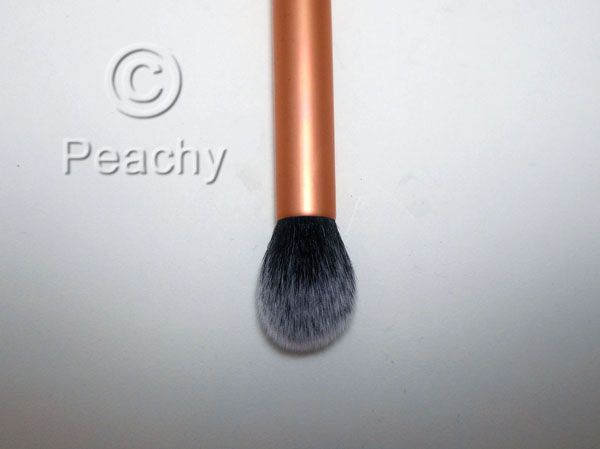
I had a lot of trouble coming up with a title for this brush example.  I toyed with round/pointed brush, but that sounds confusing and nearly lumped it with the pointed brush above.  Truth be told, this brush, a Real Techniques synthetic Contour Brush, combines elements of both the round and the pointed brushes.  It's wonderfully directional, but it's softly rounded end makes it better for blending and for less distinct contouring under the cheekbones.  Because this brush is synthetic, that makes it good for cream blush and contour. 
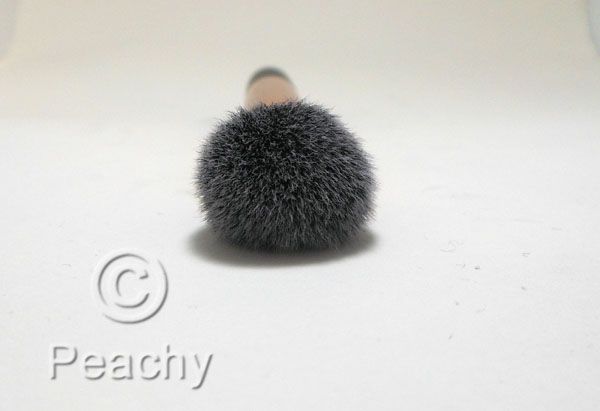
It's also a great blush brush.  I've used this brush on a lot of faces for blush, and it's great.  If you want an all around blush and contour brush, this is a good (and inexpensive) choice.
 
Square Contour Brush
This flat, square brush, a Sonia Kashuk Flat Top Sculpting Brush, which is goat, is good for a strong cheek contouring of either powder or cream.  If you like to contour with creams under your foundation, a technique used by Wayne Goss on Youtube, and by Scott Barnes, for example, this is a good brush to apply the contour.
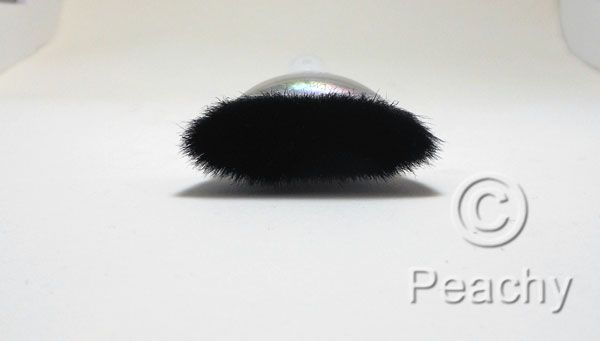
This brush is uni-tasker, but it's very good for that one task.
 
Flat Shading Brush
This Tom Ford Shade and Illuminate Brush, reviewed here:  http://bepeachy.blogspot.com/2012/02/tom-ford-shade-and-illuminate-review.html, may be one of a kind in shape.  It's like a large synthetic flat shader brush.  It's good for cheekbone and temple contouring with cream products. 
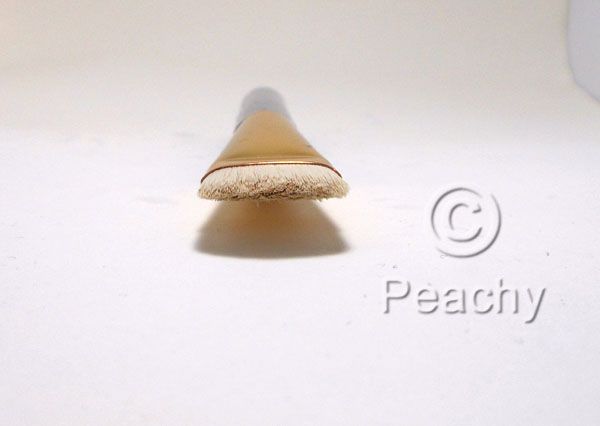
This brush is also great for highlighter; actually, it's fantastic for cream or liquid highlighter. 
 
Pros and Cons
Pros:    Contouring has been gaining popularity in recent years, whether it's the over the top, drag-influenced look of Kim Kardashian and her ilk, or the high fashion look on the runways.  While contouring for every day might not be your style, for special occasions or photography, you may want to try it out.  These brushes allow for dedicated brushes for this purpose, though some of them double as blush brushes. like the rounded and soft pointed brushes. 
Cons:  Most of these brushes are unitaskers, and, if you're a brush collector like me, that doesn't matter, but if you want to pare down to as few brushes are possible, you'd probably want a brush that does more than one thing.  Especially if you only contour occasionally.
 
The brushes featured in this post are:     MAC 168 Large Angled Contour Brush, Paula Dorf Cheek Brush, Sephora I.T. Cream Blush Brush (discontinued), MAC 109 Small Contour Brush, Hakuhodo G5521BkSl Highlight Brush Pointed, Real Techniques Contour Brush (from the Core Collection), Sonia Kashuk Flat Top Sculpting Brush (discontinued), Tom Ford Shade and Illuminate Brush.  All brushes featured in this post were purchased and I received no compensation for featuring them.

Tuesday, January 22, 2013

A Guide to Brushes: Concealer Brushes

Concealer Brushes are used to apply concealer.  I'm making this real difficult, I know.  This post features brushes for applying undereye concealer, blemish concealer, concealing redness around the nose, or anything else you might want to hide. 
 
Medium Concealer Brushes
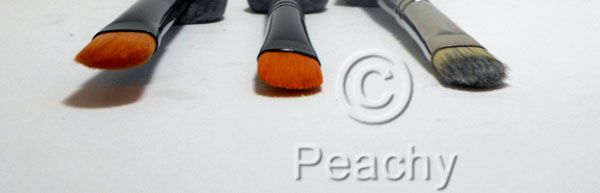
The most classic of concealer brush, the medium concealer brush, here a Paula Dorf Camouflage brush, Sephora Classic Concealer, and Sephora Platinum concealer, resembles a flat eye shader brush, but is usually synthetic, as these three are.  Good for basic concealing on blemishes, under the eye, or around the nose.  I think they work best for redness or under the eyes, as I prefer a more precision brush for blemishes.  I like these best with cream concealers, as I prefer smaller brushes with harder concealers (like Laura Mercier Secret Camouflage) or liquid concealers (like Make Up For Ever Full Cover), but they are nice to blend after those are applied. 
 
The medium concealer brush is also useful as an eyeshadow brush (no surprise, since it so resembles an flat shader).  They're nice for applying cream eyeshadow (which reminds me I'd like to do a post on cream eyeshadow....), and can be really useful for applying those pressed loose powder products like Armani Eyes to Kill Intense and L'Oreal Infallible, since they're usually stiffer than natural bristle brushes.
 
Large Concealer Brushes
 
The large concealer brush is a larger version of the medium; these are Hourglass Large Concealer and Cover FX concealer brush both synthetic.  They work well for applying foundation as concealer, such as a cream or stick foundation.  They are also good for applying concealer over redness around the nose or on the cheeks, highlighting cheekbones or that triangle highlight everyone associates with Kim Kardashian even though Kevyn Aucoin was doing it on celebrities and models 20 years ago.  I also use them often for blending blemish concealer over my chin, if I'm using a more emollient concealer, like Kevyn Aucoin Sensual Skin Enhancer.
 
Small Concealer Brushes
The smallest of the flat synthetic concealer brushes, these are by Japonesque and Real Techniques.  These are good for applying concealer to blemishes, especially the big swollen kind.  They also make great lip brushes, which is probably what I use them for most.  They can also be used for detail work with cream eyeshadows.
 
Fluffy Concealer Brushes
These are a Real Techniques Deluxe crease brush (also featured in the blending brush breakdown), and a Sephora Platinum Airbrush Concealer brush.  A lot of people also use eye shadow blending brushes, like oval blending brushes (MAC 217 and its dupes) or round crease brushes (MAC 224 et al.) similarly.  These are good for applying concealer under the eyes, and blending concealer over large areas of blemishes.  I like to use these with creamy or liquidy concealers, and I find them completely useless with hard concealers (like LM SC, mentioned previously).  They are great for blending, all formulations, though, and I like to use the Sephora like a mini buffing brush to apply something like KA SSE as a spot foundation. 
I think these are really useful brushes, as they're like tiny foundation buffing brushes, so I think they're easier to use and require less skill to apply and blend concealer. 
 
Long Concealer Brush
This Bobbi Brown Concealer brush (synthetic), is meant for applying undereye concealer, and I tend to use it exactly how Bobbi Brown intended (with her creamy concealer/corrector).  It's longer and thinner than the flat concealer brushes, and I can't imagine it being good for blemishes, though I am quite fond of it for creamy undereye concealer.  It doesn't blend well, though, so it requires the use of a fluffier brush or fingers to blend the edges.
 
Pinpoint Concealer Brush
The pinpoint concealer brush, this one by Kevyn Aucoin, is a must for precision blemish concealing.  I should say, this sort of shape is essential, but you may notice it's resemblence to gel liner brushes.  In fact, you may notice Lisa Eldridge, the queen of pinpoint concealing, using liner brushes to do so.  I'll include liner brushes in this idea, so don't think you need to buy this brush (I do have to make a massive recommendation for this brush though; it is truly phenomenal.  It really glides over the skin, as it's very dense and just the perfect stiffness.  I have honestly not used another brush to conceal zits since I purchased it).  
The tiny little point you see in this photo really allows the tiniest amount of product in exactly the place you need it, which is why this type of brush is so amazing for pimple coverage.  It works with all styles of concealer, and is especially good for really pigmented concealers, be they waxy or emollient.  It can deposit such precise amounts and placement, blending is barely necessary, though, especially if your concealer is not a perfect match, you may need to scribble a bit around the edges, and use a blending brush.  I often just press or pat the product into the skin with my fingers to blend, though.
 
Point Concealer Brush
Another great brush for concealing blemishes, it's wider and longer than the pinpoint concealer brush, but still tapers to a thin point.  This Laura Mercier Secret Camouflage brush is intended for use with her Secret Camouflage, and it really does work best with hard concealers like that. 
 
 
Pointed Concealer Brush
This is the concealer half of the Stila One Step Complexion Brush, this is a less fluffy version of the fluffy concealer brush.  It's good for under the eyes, around the contours of the nose, and for blending concealer on blemishes.  The tapered point allows more control, but less blending than the fluffier brushes. 
 
 
Square Concealer Brushes
This is an old Urban Decay Concealer Brush from an early brush line and a NYX small concealer brush.  The narrower square brush is good for spot concealer on blemishes, and the wider one is good for a dense application in a small area.  Not an essential brush, though the Urban Decay brush was one of my very first brushes over a decade ago and I still sometimes use it to stipple concealer on a zit, especially one that has dried out a bit (nicer to say that than "crusty and gross"), though it has been long discontinued.
 
Pros and Cons
Pros:     You can apply concealer with fingers, but it's still one of the first non-powder brushes you'll want.  A concealer brush provides more accuracy, better blending, and less wasted product, than using fingers.  Do you need every one of these styles?  Unless you're obsessed like I am, no.  The most useful of these are the pinpoint, point, and fluffy concealer brushes, and with either tiny brush and the bigger fluffy one, you'd be able to conceal anything, whether it's a blemish, undereye circles, or redness, and they'll work with pretty much any formula concealer you use (though with drier consistencies, the fluffy concealer brush would be just a blending brush).
Cons:     This is one of those situations where the most classic brush is one of the least useful.  Though the classic brushes are still useful, for under the eyes or blending, it's not likely to be essential.  In fact, they're probably better as a laydown brush for cream or loose powder than for concealer. 
 
The brushes featured in this post are:  Paula Dorf Camouflage Brush (from Travel Set), I think this may be discontinued, as I think the "Total Camouflage" brush currently on the website seems bigger, Sephora Classic Concealer 46, Sephora Platinum Concealer Brush 45 (The entire Platinum line was discontinued and replaced with the Pro line, this one appears to have changed shape in the switchover), Cover FX Concealer Brush, Hourglass No. 8 Large Concealer Brush,  Japonesque Concealer Brush from Touch Up Tube, Real Techniques Detail Brush (from Core Collection), Real Techniques Deluxe Crease Brush (from Starter Set), Sephora Platinum Airbrush Concealer 57 (This is carried over into Pro line), Bobbi Brown Concealer Brush, Kevyn Aucoin Concealer Brush, Laura Mercier Secret Camouflage Brush, Stila One Step Complexion Brush 33, Urban Decay Concealer Brush, long, long ago discontinued, NYX small concealer brush.  All were purchased and I received no compensation for featuring them.
 

Friday, September 28, 2012

A Guide to Brushes: Foundation Brushes

Having finally finished with eye brushes, we have now moved on to brushes for the face.  I'm starting this series with the ever useful foundation brushes.  Now, you can apply foundation with your fingers or a sponge, but at some point most people will at least try a brush.  Most of these brushes are good for liquid or cream foundation, some are good for powder foundations, but an upcoming post will focus on powder brushes, so if you're looking for a powder foundation brush, you may also want to check out that one once it's up.  You'll also notice stippling brushes are not featured, though a lot of people use them for foundation; stippling/duo fibre brushes will have a post of their own along the way.
 
Flat Foundation Brushes
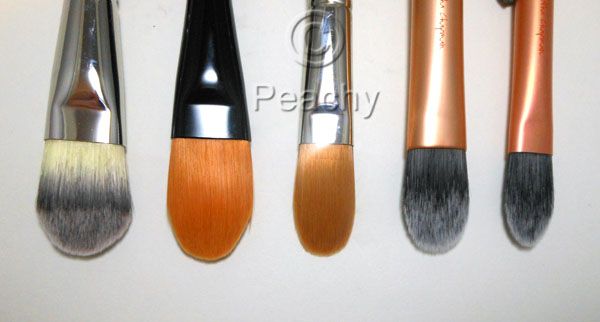
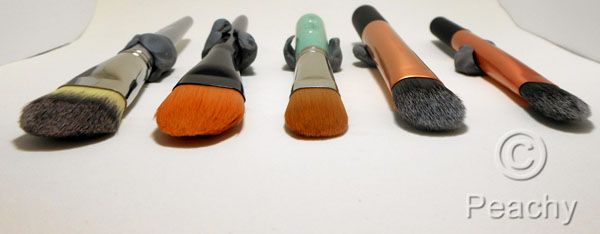
The classic foundation brush, this brush is usually used to stroke foundation on the face, rather than buff or stipple it.  It can leave streaks, but those are usually a result of using too much foundation, as they work best with small amounts and thin layers.  They also have the benefit of not irritating sensitive skin as buffing foundation can do.  If you're sensitive or dry, either one of these or a sponge will be your best bet.  I like these for liquid foundation quite a bit, especially thinner formulations; they are also good for cream foundations.  The smaller ones make for good concealer brushes for use in large areas.
From left to right: Sephora Platinum Foundation Brush, Paula Dorf Foundation Brush, Body and Soul Foundation Brush, Real Techniques Essential Foundation Brush, Real Techniques Pointed Foundation Brush.  These are all synthetic, and the orange are taklon while the two-color ones have been distressed  at the tip to aid in product pick up.  Smaller versions fit around the nose and under the eye, while the bigger brushes make for speedy work applying foundation.
 
Buffing Brushes
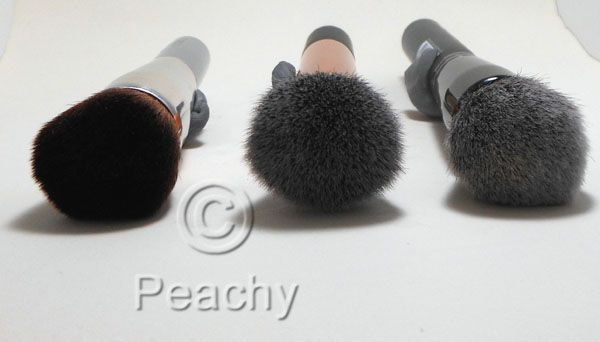
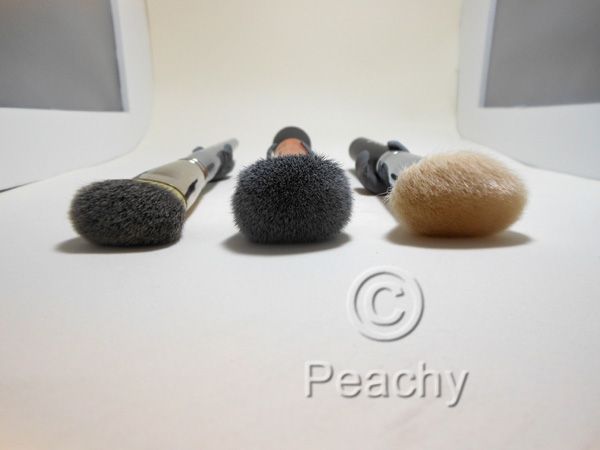
L to R: Cargo Magic Brush, Real Techniques Buffing Brush, Sephora Classic Mineral Powder.  I mentioned at the top that some of these brushes are good for powder: here they are.  These are great for getting good coverage and a flawless finish from a powder foundation; I imagine they're equally useful for mineral powders, though I have never used a mineral foundation.  They are also perfect for liquid foundation.  These buff foundation into the skin, so they're great for thick, dense, or cream foundations, allowing them to blend into the skin and either sheering down or building up the coverage.  I feel for thinner liquid foundations, they can remove as much as they apply, but I know plenty of people who use them for thin liquids, too, and they like them.
Buffing brushes are a great all around foundation brush, and they can also apply blush, cream or powder.  When I'm travelling, I often pack MAC Studio Fix plus powder and a blush and one of these brushes, and that's it.  I get really good results, and, if I'm wearing my glasses, I probably don't need eye makeup.  These can also blend foundation that's been applied with another brush or fingers.
 
Airbrush Foundation Brush
A big, fluffy foundation brush (also a powder brush) by Sephora, is also synthetic, like all the brushes featured in this post.  It deposits a fair amount of product, so you get good coverage from most liquids, but it also blends lightly.  It reminds me a bit of a stippling brush, but without the streaking often associated with those brushes, or like a much less dense buffing brush. 
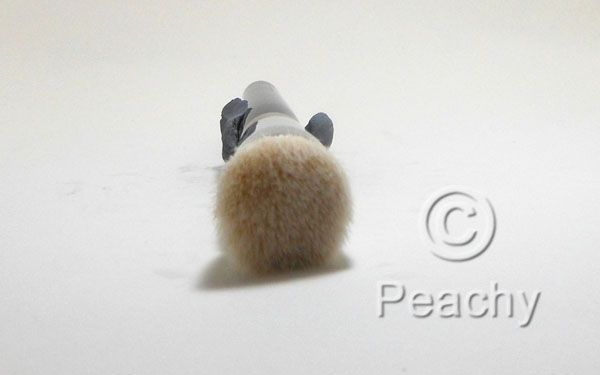
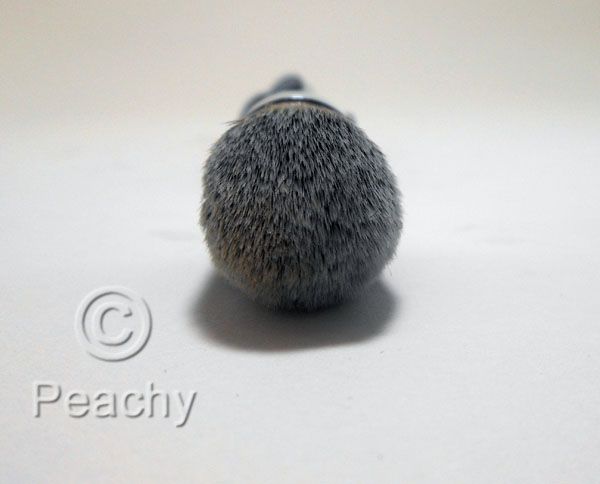
If you compare the above picture with the end picture of the buffing brush, you'll see how much fluffier it is than the latter.  It has a very light touch.
 
Flat-topped Foundation Brush
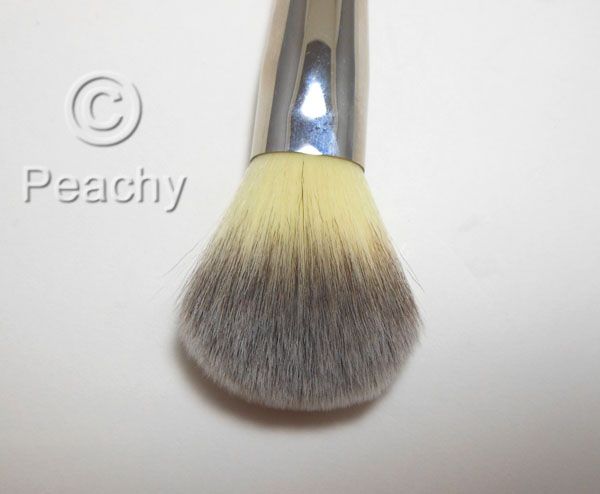
A much denser foundation brush than the last one, this Sonia Kashuk brush has a flat top.  Again, good for buffing in foundation, the flat top (rather than the rounded top of the buffing brush) means that the foundation needs more blending around the edges.  It does, however, work the foundation into the skin more, which is great for creams or dense liquids.  It also doesn't really streak at all, since the dense, flat surface acts as a single entity rather than many individual hairs.
I like this brush even more as a cream blush brush, as it works cream blush into the skin really well.
 
Small Buffing Foundation Brush
 
 
I could not figure out what to call these brushes, the Sephora Airbrush Precision, Real Techniques Expert Face brush and Cover FX Cream foundation brush.  These brushes are terrific for cream foundations, even better for blending cream blushes into the skin, and are the best cream contour brushes I have ever come across.  I've been using the Cover FX one with my Tom Ford Shade and Illuminate and it is a match made in heaven.  As foundation brushes, these combine the best elements of a buffing brush and a flat foundation brush.  They can be used to both buff and stroke on foundation, work well around the edges and features. 
 
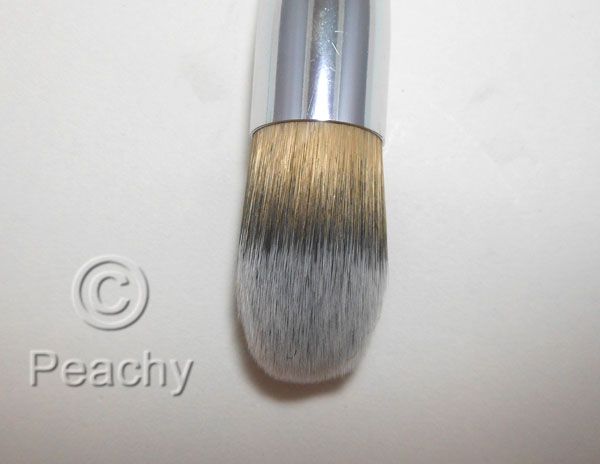
As you can see here, these have a pinched ferrule, which is, I believe, the feature that sets them apart from the round buffing brushes.  It's what gives them their versatility and their ability to glide around features and to contour and blend. 
 
Angled Foundation Brush
This Hakuhodo G5555 is technically a duo-fibre brush, as it has synthetic hairs that are longer than goat hairs, in this case, 2 mm longer.  I decided to include it here, because there are several other angled foundation brushes, by Sigma and Shiseido to name two, that I don't have, and I wanted to include the category.  The angle on this brush makes it feel nicer in the hand, and helps to ensure contact with the flat part of the brush against the skin.
I really like this brush, and it would be good for cream blush, but, since this particular Hakuhodo version comes in so many variations, I would suggest one of the smaller or 4mm styles for blush.  In general, I think angled foundation brushes provide the same benefits as the previous brushes in a more user friendly package.
 
Pointed Foundation Brush
Perhaps my favorite of the foundation brushes, the pointed foundation brush, this one the Stila One-Step Complexion brush, is the one I would recommend to those dedicated to using their fingers to apply foundation.  This brush replicates a lot of the good things about them, plus a lot of good things about brushes.  This is probably my favorite foundation brush for applying Make Up For Ever Face and Body (which is one of my favorite foundations of all time), and if I'm wearing it in one of my posts, it's likely been applied with this brush.  Because it's small it fits around the nose and under the eyes, but because it's dense, it blends flawlessly, and because it's pointed, it doesn't suck up too much foundation and waste it as it's mostly surface area.
The pointed foundation brush is also amazing for applying cream blush, cream contour, and powder foundation.  Good for blending concealer around the eyes and nose, which is handy as this particular brush has a concealer brush on the other side.
 
Pros and Cons
Pros:     All of these brushes apply and/or blend foundation onto the skin.  A lot of the choice has to do with the type of foundation you're using and the finish you want to achieve.  I think Buffing Brushes offer the best ease to result ratio, but my favorites are the Small Buffing brushes and the pointed foundation brush because they're smaller, more versatile, and provide more control.  Whatever foundation brush you pick, I really do prefer using a brush over fingers, though I do like using sponges, especially for cream foundations.
Cons:     The denser the brush the harder it is to clean.  Buffing brushes and their ilk soak up foundation, which makes them both wasteful and a pain to clean.  The flat foundation brushes are certainly easier to clean, but they have the reputation for streaks and unevenness.  The smaller brushes might be frustrating to use for applying foundation all over the skin, as they require more strokes and more time.  I would also never use a buffing brush of any size on sensitive or very dry skin as it would likely irritate it and/or make flakes more obvious.
 
The brushes featured in this post are:  Sephora Platinum Foundation Brush 47 (*the whole Platinum line has been discontinued at Sephora and replaced with the Pro line, the number and the shape carried over, but I have no idea on any other similarities or differences), Paula Dorf Foundation Brush (from a travel set), Body and Soul Foundation Brush (dc'd as far as I can tell), Real Techniques Essential Foundation Brush from Travel Essentials, Pointed Foundation Brush from Core Collection, Cargo Magic Brush, Real Techniques Buffing Brush from the Core Collection, Sephora Classic Mineral Powder Brush 45, Sephora Platinum Airbrush 55 (see above note on Platinum brushes), Sonia Kashuk Synthetic Flat-top Multipurpose rush, Sephora Platinum Airbrush Precision Brush 56 (again, see note above), Cover FX Cream Foundation Brush 160, Hakuhodo G5555-2mm Powder & Liquid Brush round/angled, Stila One-Step Complexion Brush 33.  All were purchased and I have received no compensation for featuring them.


Thursday, August 30, 2012

A Guide to Brushes: Eye Brushes, Part 6: Detail Brushes

This post features a variety of eyeshadow brushes for use on small areas of the eye.  It includes pencil brushes and various smudge brushes.
Pencil Brushes
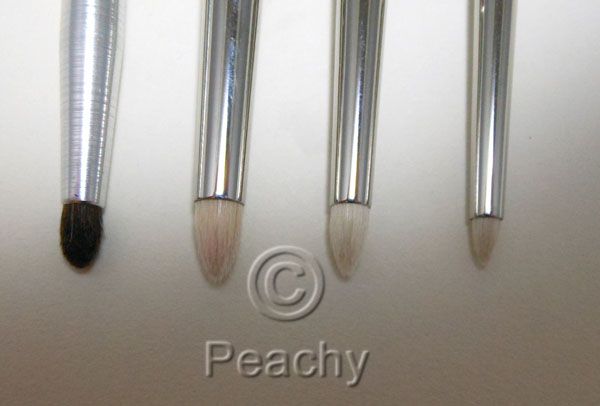
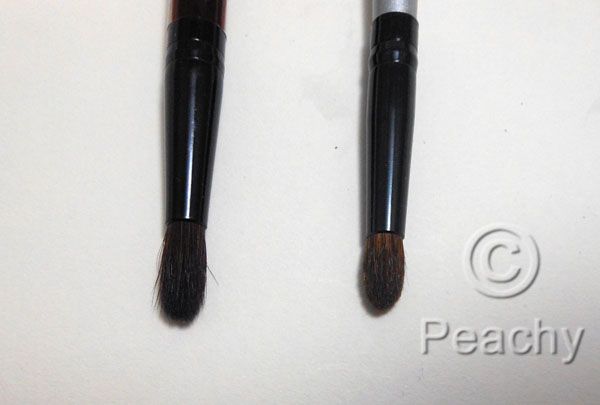
The most common and used of detail brushes, I believe.  The first on the left, which is an Essence of Beauty Fine Crease Brush, notwithstanding, a lot of pencil brushes are goat, like the MAC 219, Hakuhodo G5514BkSl, and Hakuhodo G5515BkSl here.  This picture makes them all look so big, but the Hakuhodo G5515 is about an eighth of an inch long.  These brushes are great for blending out eyeliner, applying shadow to the upper or lower lash lines, precise crease shadow placement, detail in the outer corner (like the dreaded "outer v") and highlighting the inner corner or the brow bone--basically anywhere you want focused or intense placement of eyeshadow.  Goat is a good fibre for this sort of brush, because it provides a good amount of stiffness and softness and holds up to cream eyeliners, but the white hairs get stained so badly (as evidenced by the faint pinkness of my 219.  The Hakuhodos are so pristine because they came straight out of the package before this picture.  The smaller one is now a lovely shade of blue.  The stains do respond usually to oil cleansing, but since oil cleans best when used dry, if you're halfway through cleaning when you realize that pigment is not coming out with cleanser, then you have to wait for it to dry.  At that point, the "Eh, it's clean, and I gotta do ma face" instinct kicks in and next thing you know, you're justifying a pink brush on the internet.  Uh, yeah.  These brushes do their job well, and as detail brushes go they're the most common and most used. 
 
Pointed Smudge Brushes
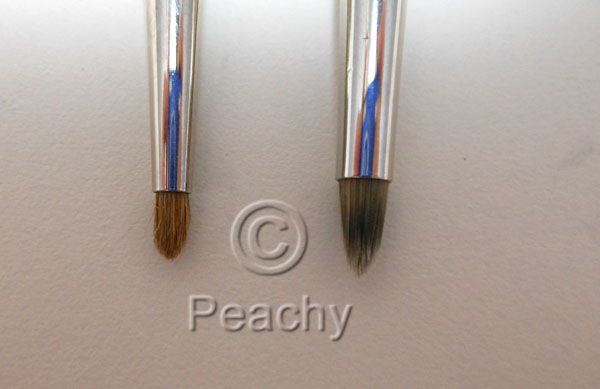
A variation on the pencil brush, pointed smudge brushes are most commonly found as "Smoky Eyeliner Brushes", like the one on the right from Sephora, which is synthetic.  The one on the left, also by Sephora is a discontinued point smudge brush.  Both these brushes, though they have different shapes, serve the same purpose, which is to apply or smudge eyeliner and apply eyeshadow to a small area.  I think they're more precise than pencil brushes, especially the point smudge, though it's scratchy.  The smoky version of the brush is great if you're looking for a synthetic detail brush, and it is quite good for smoking out liner.  It's less useful for applying powder, unless you want a subtle effect. 
 
Mini Smudge Brushes
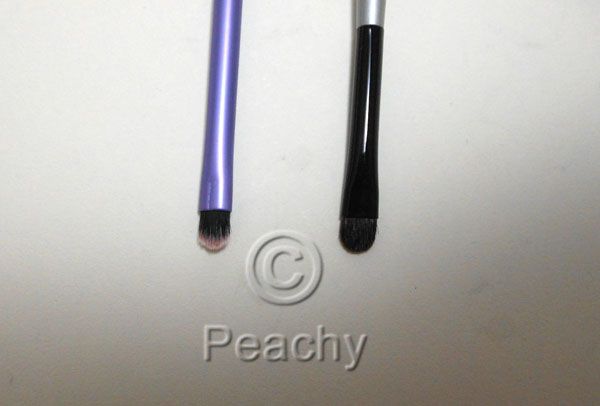
These brushes are like tiny flat shader brushes.  Often they're proportionately shorter as compared to width of a shader brush, but neither of these examples really are, which are a Real Techniques synthetic Accent brush, and a Paula Dorf Smudge brush.  These are amazing for applying shadow around the eye, and I love them for smudging the edge of liner.  They provide more control than the previous two styles of detail brush and can be used to smudge or finesse the edges of liner.  Interestingly enough, they often make for excellent gel liner or tightline brushes.  While they do offer more control than a pencil brush, that makes them a little harder to use.
 
Domed Smudge Brush
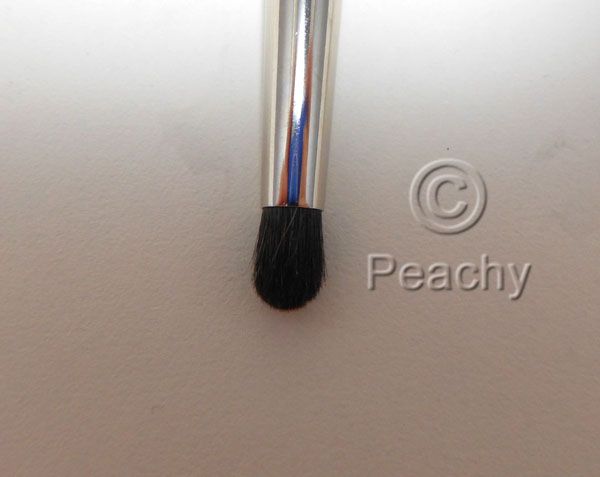
Similar to a pencil brush, but with a dome instead of a point, this Make Up For Ever smudge brush, is useful for most of the same effects, such as smudging and highlighting, only it will provide a softer less focused or intense effect.  I think this is especially useful for a smoky eye, where you want a smooth gradation of shading. 
 
Pointed Detail Brush
This one (a Hakuhodo 5529, blue squirrel hair) is like a long thin pencil brush.  It's less useful for smudging liner ( especially this one's soft squirrel hair), but more useful for crease work.  It provides a soft, diffused line, but with exacting detail.  Perfect when you want delicacy and precision at the same time.
 
Round Detail Brushes
Similar, but sturdier, to the pointed detail brush, and obviously featuring a round end rather than a pointed end, these brushes (Kevyn Aucoin Small Eyeshadow Soft Round Tip, and Royal and Langnickel Smudger) are super precise crease brushes and are great for smudging around the eye and applying eyeshadow under the eye, in the outer corner, or along the top lash line. 
 
 
Pros and Cons
Pros:  These brushes do what none of the other featured brushes can do.  They are like an eyeliner brush crossed with a blending brush.  Tiny, but capable of blending small areas.  If you have small eyes, you may prefer to use one of these brushes for your crease instead of a classic crease brush.  These brushes' versatility means that you will probably want one in your brush collection. 
Cons:  They're tiny.  That's pretty much it.  If you don't want a small brush, or if you like to keep your brushes to a minimum (something which I obviously have no idea about), then you don't need one.  They're tiny brushes; that's the point, but that means they can't do the things a bigger brush does. 
 
The brushes featured in this post are: Essence of Beauty Fine Crease Brush, MAC 219 Hakuhodo G5514BkSl, Hakuhodo G5515BkSl, Sephora Point Smudge 16 (discontinued), Sephora Smokey Eye Brush 24 (from the discontinued platinum line, but the shape and number are still in the current Pro Line), Real Techniques Accent Brush (form the Starter Set), Paula Dorf Smudge brush, Make Up For Ever Smudge Brush 14S, Hakuhodo G5529BkSl, Kevyn Aucoin Small Eyeshadow Brush Soft Round Tip, Royal and Langnickel Smudger Brush.  All brushes were purchased and I received no compensation for featuring them.